Tag: Westside Los Angeles Real Estate

  • What Do You Have to Disclose When Selling a Home in California? A Guide for Los Angeles Homeowners

    What Do You Have to Disclose When Selling a Home in California? A Guide for Los Angeles Homeowners

    What Do You Have to Disclose When Selling a Home in California? A Guide for Los Angeles Homeowners

    When homeowners start thinking about selling, much of the attention naturally goes to preparing the house, choosing a listing price, taking photographs, and getting the property on the market. There is another part of the process that may not be as exciting, but it is extremely important: disclosures.

    California has extensive disclosure requirements for residential real estate transactions. Sellers may be asked to provide information about the property, its condition, known defects, improvements, hazards, and other circumstances that could affect a buyer’s decision.

    For a homeowner who has lived in the same property for many years, completing disclosures can sometimes feel overwhelming. You may know a great deal about your home, but you may not immediately remember every repair, leak, improvement, insurance claim, or issue that has occurred over the years.

    Understanding the purpose of disclosures before you sell can make this part of the process much easier.

    What Is the Purpose of Seller Disclosures?

    The basic idea behind disclosures is transparency.

    A buyer is making a significant financial decision and needs information about the property to evaluate that decision. Some things are easy for a buyer to see during a showing. Other things may not be visible at all.

    A buyer walking through a beautifully presented home, for example, may have no way of knowing about a previous roof leak, drainage problem, unpermitted alteration, or other issue unless that information is disclosed.

    California residential transactions can involve several disclosure documents depending on the property and circumstances. One of the best known is the Transfer Disclosure Statement, commonly referred to as the TDS.

    The TDS asks sellers questions about the property and about conditions or issues they are aware of.

    What Types of Things Might a Seller Need to Disclose?

    The exact disclosures required depend on the property and transaction, which is why sellers should receive guidance specific to their situation.

    Generally, disclosures can involve information about the physical condition of the property and known issues that may affect its value or desirability.

    Examples can include previous water intrusion, roof problems, structural modifications, drainage or grading concerns, environmental hazards, certain neighborhood nuisances, additions or alterations completed without required permits, and damage associated with events such as fires, floods, earthquakes, or landslides.

    There may also be additional disclosure requirements depending on factors such as the property’s location, age, ownership structure, and circumstances of the sale.

    The important point for sellers is not to try to memorize every possible disclosure before listing their home. It is to understand that disclosure is a meaningful part of the transaction and deserves careful attention.

    What If an Issue Was Repaired Years Ago?

    This is a question homeowners may naturally have.

    If something happened in the past and was repaired, it can be tempting to assume that it no longer matters because the problem has been resolved.

    However, a previous condition may still be relevant to the disclosure process.

    For example, if there was water intrusion several years ago and the source was repaired, the history of that issue may still be information that should be addressed in the appropriate disclosure documents.

    Rather than deciding on your own that an old problem is no longer important, discuss it with your real estate professional and, when appropriate, obtain legal or other professional advice.

    Being transparent about a past issue does not automatically make a property undesirable. Homes require maintenance and repairs. Buyers generally understand that.

    Problems are more likely to arise when important information is discovered later and the buyer believes it should have been disclosed earlier.

    What About Improvements and Permits?

    Many Los Angeles homes have been remodeled, expanded, or changed over time.

    A homeowner may have replaced windows, remodeled a kitchen, added a bathroom, converted space, built a deck, changed electrical systems, or completed other improvements.

    If you are preparing to sell, it can be useful to start gathering whatever records you have relating to significant work on the property.

    Depending on the circumstances, questions about permits, structural modifications, alterations, or repairs may become part of the disclosure process.

    If you do not know whether previous work was permitted, particularly work completed before you owned the property, do not guess. Explain what you actually know and seek appropriate guidance about how the information should be handled.

    What If You Truly Do Not Know?

    Sellers are not expected to magically know everything that has ever happened to a property.

    There is an important difference between something you genuinely do not know and something you know but choose not to disclose.

    When completing disclosures, sellers should answer carefully based on their actual knowledge rather than making assumptions.

    This is another reason I would not recommend rushing through disclosure documents. Read the questions carefully, think about your history with the property, and ask questions when you do not understand what a form is asking.

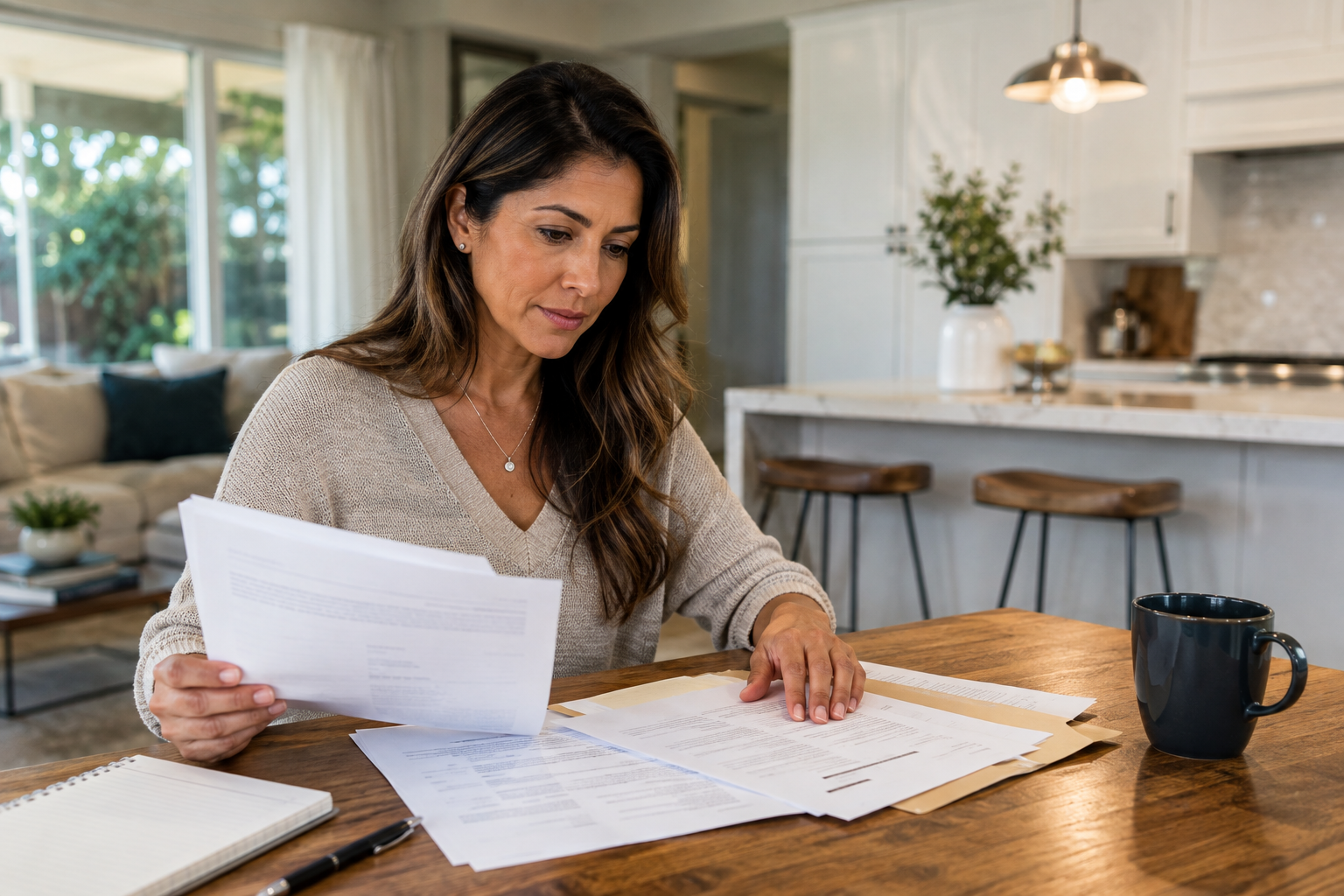
    Home records, repair receipts, permits and house keys organized on a table while preparing to sell a home.
    Gathering information about repairs, improvements and the history of a property can help homeowners prepare for the disclosure process before selling.

    Preparing Before Your Home Goes on the Market

    If you are considering selling, you can make the disclosure process easier by gathering information about your home before you need it.

    Look for invoices from major repairs, permits you may have retained, warranties, information about improvements, insurance related records that may be relevant, and documents associated with systems such as the roof, plumbing, electrical, HVAC, or solar.

    You do not need to create a perfect history of your house. Many homeowners simply do not have every document from every repair.

    The goal is to begin organizing what you do have and thinking carefully about what you know about the property.

    This can also help you identify questions that should be addressed before the home is actively marketed.

    Why Transparency Can Help a Transaction

    Sellers sometimes worry that disclosing a problem will discourage a buyer.

    That concern is understandable, but buyers also appreciate having information that helps them make an informed decision.

    A home does not need to be perfect to sell. In Los Angeles, buyers purchase homes of different ages and conditions every day.

    Providing information early can allow buyers to evaluate the property, conduct their inspections, ask questions, and decide whether the home is right for them.

    It can also reduce the possibility of a buyer learning something later in the transaction that comes as a surprise.

    Disclosures Are One Part of Preparing to Sell

    When I think about preparing a home for the market, I do not think only about photographs, staging, price, and marketing.

    I also think about the information behind the property.

    What has happened to the home over the years? What improvements have been made? Are there documents that should be located? Are there questions that should be answered before buyers begin looking at the property?

    Addressing these things early can make the selling process more organized and help sellers understand what to expect before an offer arrives.

    If you are considering selling a home in Pacific Palisades, Santa Monica, or elsewhere on the Westside of Los Angeles, I would be happy to help you look at the steps involved in preparing your property for the market, including the disclosure process and the information you may want to begin gathering.

    Every property has its own history. Understanding that history and presenting it thoughtfully is an important part of preparing for a successful sale.

    Claudia Backus, MBA
    California Real Estate Broker | REALTOR®
    Serving Pacific Palisades & the Westside of Los Angeles
  • Should You Price Your Home to Get Multiple Offers? What Los Angeles Sellers Need to Know

    Should You Price Your Home to Get Multiple Offers? What Los Angeles Sellers Need to Know

    Should You Price Your Home to Get Multiple Offers? What Los Angeles Sellers Need to Know

    When homeowners prepare to sell, one of the biggest decisions they have to make is also one of the first: What should the listing price be?

    It can be tempting to think that the best strategy is simply to start as high as possible and see what happens. On the other hand, sellers sometimes hear that they should price their home lower in hopes of attracting several buyers and creating multiple offers.

    Both ideas can sound reasonable, but neither should be applied automatically. The right pricing strategy depends on the property, the competition, current buyer activity, and what is happening in the local market at the time the home is listed.

    For Los Angeles homeowners, where conditions can vary significantly from one neighborhood to another, understanding that context is especially important.

    What Does It Mean to Price for Multiple Offers?

    Pricing for multiple offers generally means choosing a listing price designed to attract a larger pool of qualified buyers and encourage competition for the property.

    That does not necessarily mean pricing a home far below its value. It means looking carefully at comparable sales, current competing listings, recent buyer activity, the condition of the property, and the price ranges buyers are currently searching.

    If several buyers see value in the same property at the same time, competition may develop naturally. Some buyers may decide to improve their price or terms because they know they are not the only interested party.

    However, multiple offers are never guaranteed. A seller can choose a thoughtful and competitive listing price and still receive one offer, several offers, or no immediate offers at all.

    The Market Has to Support the Strategy

    Before deciding how to price a home, I believe it is important to understand what buyers are actually doing in that specific market.

    How many similar homes are currently available? How long are they taking to sell? Are homes selling close to their original asking prices? Are new listings receiving immediate attention, or are buyers taking more time to make decisions?

    These questions provide much more useful information than simply assuming that a strategy that worked for another property will work for yours.

    Even within Los Angeles, two nearby neighborhoods can behave differently. The same can be true within a neighborhood when homes fall into different price ranges or offer very different features.

    This is one reason I pay close attention to active inventory in addition to recently sold properties. Sold homes tell us what buyers were willing to pay in the recent past. Active listings show us what your home would be competing against if it entered the market today.

    The Asking Price Is Part of Your Marketing

    Sellers sometimes think about price only as the amount they ultimately want to receive for their home. I also think of the listing price as part of the property’s marketing strategy.

    Before buyers schedule a showing, they are usually looking at homes online and comparing several options. Price affects whether a property appears in their search and how it compares with the other homes they are considering.

    A home can be beautiful and well presented, but if buyers perceive the asking price as disconnected from the market, some may decide not to see it at all.

    That matters because the first goal of marketing a home is to get the right buyers interested enough to take the next step and see the property.

    Could Pricing Too Low Be a Risk?

    Yes, which is why pricing for competition should never mean choosing an artificially low number simply to generate attention.

    There is no guarantee that buyers will bid a property up to the price a seller hopes to receive.

    The listing price should be a number the seller understands and is comfortable putting into the market as part of an overall strategy. The goal is not to gamble on a bidding war. The goal is to position the property intelligently based on the available information.

    Could Pricing Too High Be a Risk?

    Pricing too high can create a different problem.

    When buyers have access to many listings and can compare homes quickly, they often recognize when a property appears expensive relative to similar choices. Instead of making a lower offer, some buyers may simply move on to another home.

    If that happens repeatedly, the property can accumulate days on market. A later price adjustment may generate new interest, but by then buyers may also begin wondering why the home has not sold.

    This does not mean a seller should automatically choose a low listing price. It means the original price should be supported by the market as much as possible.

    The Highest Offer Is Not Always the Best Offer

    If a pricing strategy does result in multiple offers, sellers then have another decision to make.

    The offer with the highest purchase price is not automatically the strongest offer.

    Price matters, but so do financing, contingencies, the proposed closing timeline, the buyer’s deposit, and other terms of the transaction. A slightly lower offer with strong financing and terms that work well for the seller may sometimes be more attractive than a higher offer with greater uncertainty.

    Every offer should be evaluated as a complete package.

    Real estate broker reviewing comparable home sales and active listings to determine a pricing strategy for a Los Angeles home seller
    A thoughtful pricing strategy considers recent sales, current competition and how buyers are responding to similar homes in the local market.

    What I Would Look at Before Pricing a Los Angeles Home

    Before recommending a pricing strategy, I would want to understand the property and the seller’s goals first.

    I would then look at comparable sales, current listings, pending activity when available, days on market, price changes, neighborhood competition, property condition, and the way buyers appear to be responding to similar homes.

    I would also want to know what makes the property different.

    A remodeled home may compete differently from one that needs significant updating. A home with a view, an unusual lot, a desirable location, or another feature that is difficult to replicate may require additional judgment when comparing it with recent sales.

    The numbers provide the foundation, but they still need context.

    There Is No Universal Pricing Formula

    One of the things I continue to appreciate about real estate is that the more market information we have, the better the questions we can ask.

    There is no single pricing strategy that makes sense for every seller.

    Sometimes pricing very close to expected market value may be appropriate. In another situation, positioning a property to encourage greater buyer interest may make sense. There may also be circumstances where the characteristics of a particular home require a different approach entirely.

    The important part is understanding why a price is being chosen and what the seller hopes that strategy will accomplish.

    If you are considering selling a home in Pacific Palisades, Santa Monica, or elsewhere on the Westside of Los Angeles, I would be happy to help you look at the current MLS data, comparable properties, and competition before deciding on a strategy.

    For me, pricing should not begin with a guess. It should begin with information, a conversation about the seller’s goals, and a careful look at the market the home is actually entering.

    Claudia Backus, MBA
    California Real Estate Broker | REALTOR®
    Serving Pacific Palisades & the Westside of Los Angeles
  • The Pacific Palisades Farmers Market Is Back: A Community Beginning to Bloom Again

    The Pacific Palisades Farmers Market Is Back: A Community Beginning to Bloom Again

    Yesterday felt like another important day in Pacific Palisades.

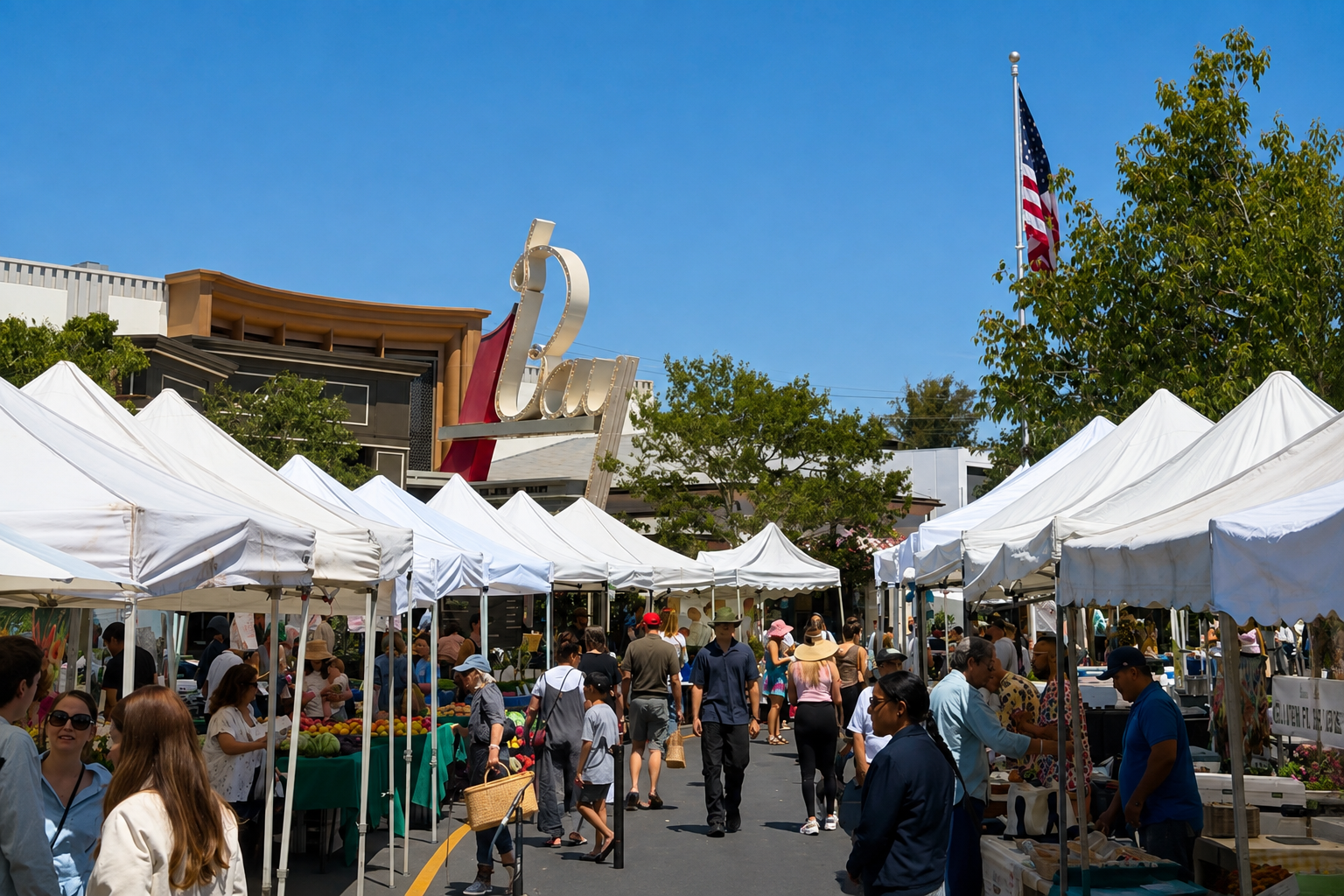
    On Wednesday, August 19, the Pacific Palisades Farmers Market returned to Swarthmore Avenue at Palisades Village for the first time since the January 2025 fire. After everything our community has experienced, seeing those white tents lining the street again meant much more to me than having a place to buy fresh produce and flowers.

    It felt like another little piece of our community coming home.

    Every Reopening Matters in Pacific Palisades

    Since the fire, I have come to appreciate things I probably once took for granted.

    A business reopening matters. A school welcoming students back matters. A familiar gathering place returning matters. And now, having our Farmers Market back every Wednesday matters too.

    Yesterday, the Village was full of people. Schools have started again in the Palisades, so there were children and families walking around. I ran into friends. Rick Caruso was there. There was a big line at Alfred Coffee. For a few hours, there was the wonderful feeling of people simply being together in their neighborhood again.

    I bought a beautiful bouquet of flowers.

    Looking at those flowers later, I thought about how appropriate they seemed for this moment in Pacific Palisades.

    We are not back to what life looked like before the fire. There is still construction everywhere. There is dust. There are empty lots and businesses that have not returned. Many families are still rebuilding their homes and their lives.

    But there are also signs of growth.

    Maybe that is what rebuilding actually looks like. Not one dramatic moment when everything suddenly becomes normal again, but hundreds of smaller moments when something begins to bloom.

    What This Means for Pacific Palisades Real Estate

    As a real estate broker and a longtime resident of Pacific Palisades, I also look at these moments through the lens of our local housing market.

    Real estate is about much more than the structure of a house or the price of a property. People choose communities because of the life surrounding their homes.

    They care about schools, restaurants, coffee shops, parks, local businesses and places where they can run into neighbors. They care about whether a community feels alive and connected.

    That is why the return of a Farmers Market matters for Pacific Palisades real estate too.

    One Farmers Market cannot tell us what home values will do, and I would never suggest that it can. But every business that reopens, every school that welcomes children back and every community tradition that returns helps restore the everyday life that makes a neighborhood a place people want to call home.

    I hope we continue to see more businesses return to the Palisades in the months ahead.

    Sometimes Rebuilding Means Getting Away From Rebuilding

    A few days ago, I did something completely different with my three children.

    I had been meaning to take them to The Gentle Barn in Santa Clarita, and we finally went.

    We spent time with the animals, brushed a cow and, one by one, each of my children hugged her. I did too.

    Taking a little break from rebuilding life in Pacific Palisades and spending a peaceful day with my three children at The Gentle Barn in Santa Clarita.

    There was something wonderfully peaceful about standing next to this enormous, gentle animal.

    For a little while, there were no construction trucks, no construction dust and no conversations about rebuilding. There was just a cow, three children, their mom and a very different kind of afternoon.

    I don’t know exactly how the experience of the fire will stay with my children as they grow older. I don’t know exactly how it will stay with me either.

    But I do know that getting away from our daily surroundings for a few hours felt good.

    And strangely, standing there brushing and hugging a cow made me think about Pacific Palisades.

    Rebuilding Homes and Rebuilding a Community

    In real estate, rebuilding can sound very physical.

    Plans. Permits. Contractors. Foundations. Walls. Roofs. Landscaping.

    Those things are enormously important. We need homes rebuilt.

    But a community is not rebuilt with lumber and concrete alone.

    It is rebuilt when children return to school. When someone opens the doors of a business again. When neighbors stop to talk. When people stand in line for coffee. When farmers put up their tents. When you unexpectedly see a friend while buying vegetables.

    And perhaps it is also rebuilt when a family that has lived through something difficult gives itself permission to leave the construction zone for an afternoon, drive to a barn and hug a cow.

    Yesterday, I came home from the Farmers Market with a bouquet of flowers.

    For me, those flowers are a small reminder of where Pacific Palisades is today.

    We are still rebuilding.

    We are still figuring out what “normal” means now.

    But little by little, our community is beginning to bloom again.

    And I am very grateful to be here to see it.

    With gratitude and a heart of service,

    Claudia Backus, MBA
    California Real Estate Broker | REALTOR®
    Serving Pacific Palisades & the Westside

  • How Is the Real Estate Market? The Better Question Every Home Seller Should Ask

    How Is the Real Estate Market? The Better Question Every Home Seller Should Ask

    One of the most common questions in real estate is also one of the hardest to answer:

    “How is the market?”

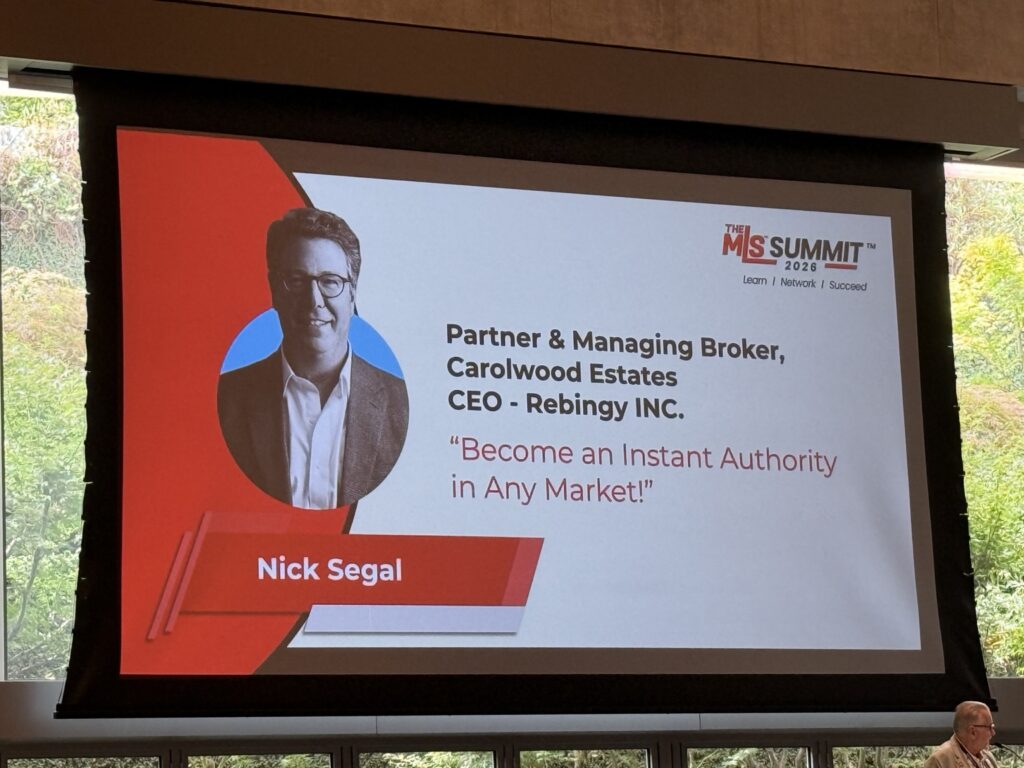
    It sounds like a simple question. But after attending The MLS Summit 2026 at the Skirball Cultural Center in Los Angeles, one idea stayed with me: before answering that question, we should first ask, which market?

    That may seem like a small distinction, but for a homeowner thinking about selling, it can make a very big difference.

    There is no single Los Angeles real estate market behaving exactly the same way everywhere. The market for a home in Pacific Palisades may look very different from the market for a condominium in West Los Angeles. Even within the same neighborhood, homes in different price ranges, locations, sizes, and conditions may face very different competition. That is why I believe homeowners deserve something more useful than a general statement that “the market is good” or “the market is slow.”

    Your Home Has Its Own Market

    When we hear reports about the Los Angeles housing market, we are usually looking at broad statistics. Those numbers can certainly be useful. They help us understand larger trends in prices, inventory, interest rates, and buyer activity.

    But when someone is preparing to sell a particular home, the question becomes much more specific.

    What are buyers looking at as alternatives to this home right now? How many similar properties are currently available? What price range are they in? How long have they been on the market? What condition are they in? And perhaps most importantly, how does this particular property fit within those choices? That smaller universe is the market that matters most to the homeowner.

    Nick Segal presenting “Become an Instant Authority in Any Market!” at The MLS Summit 2026. One takeaway that stayed with me was the importance of defining which market we are actually talking about before discussing real estate conditions.

    Why Active Listings Matter When Selling a Home

    Something else I brought home from the Summit was a greater appreciation for active inventory.

    When homeowners think about the value of their property, it is natural to focus on homes that recently sold. Those sales are extremely important, and they are a major part of a thoughtful comparative market analysis.

    But active listings tell us something different.

    They show us the competition a seller may be facing today.

    Imagine that a buyer is searching for a home within a particular area and price range. That buyer may have several properties to choose from this weekend. Those homes are competing for the buyer’s attention at the same moment. Looking carefully at that active competition can help a seller better understand how buyers may perceive the home’s price, condition, location, features, and overall value.

    The Market Can Change Within a Few Blocks

    This is especially interesting to me as someone who lives and works on the Westside of Los Angeles.

    We often talk about areas such as Pacific Palisades, Brentwood, Santa Monica, Westwood, and the surrounding Westside as though each one represents a single market. In reality, even within those communities there can be smaller markets.

    Price range matters. Property type matters. Location within a neighborhood matters. Condition matters. Views, lot size, privacy, layout, renovations, and proximity to certain amenities can matter too.

    And then there is timing. The competition a homeowner faces when listing a property today may not be the same competition that existed three months ago or will exist three months from now.

    Real estate conditions can vary significantly by neighborhood, property type, price range, and even the competition available to buyers at a particular moment.

    Online Estimates Cannot See Everything

    Technology has given homeowners access to an incredible amount of real estate information. I think that is a good thing.

    A homeowner can look up estimated values, recent sales, neighborhood statistics, and properties for sale in a matter of minutes. Artificial intelligence is making access to information even faster.

    But information and interpretation are not quite the same thing.

    An automated system may know the square footage and number of bedrooms. It may identify nearby sales. What it may not fully understand is why one comparable is more meaningful than another, how buyers are responding to the current competition, or whether something unique about a home’s condition, location, layout, privacy, view, or improvements changes the comparison. This is one of the reasons I continue to believe that technology and professional judgment work best together.

    Good Real Estate Advice Starts With Homework

    I have written before that I think of preparing a CMA as doing homework, and I really mean that.

    The more I learn about the MLS and the information available to real estate professionals, the more I appreciate how much there is to study before giving a homeowner an opinion about their property.

    For me, being prepared means looking beyond one number. It means studying relevant sales, examining active competition, understanding the specific micro market, considering the characteristics of the property, and then explaining what the information may mean for the homeowner’s selling strategy. I would much rather tell someone, “Let me study your particular market,” than give them a quick answer based on a headline about Los Angeles real estate.

    So, How Is the Market?

    The next time someone asks me that question, I may answer with another one:

    Which market?

    Because if you are thinking about selling your home, the market that matters most is not necessarily the one being discussed on television or summarized in a national headline.

    It is the market surrounding your home, your competition, your price range, and your goals.

    One of the reasons I enjoy continuing to learn about real estate and the MLS is that better information helps me be of better service. Homeowners make important financial and personal decisions when they sell a home, and I believe they deserve advice based on preparation, context, and careful attention to the market that actually matters to them.

    Claudia Backus, MBA
    California Real Estate Broker | REALTOR®
    Serving Pacific Palisades & the Westside

  • Santa Monica: A City That Has Been Part of My Story for Years

    Santa Monica: A City That Has Been Part of My Story for Years

    When people think about Santa Monica, California, they may picture the beach, the pier, beautiful neighborhoods, the Third Street Promenade, or simply the experience of living close to the ocean on the Westside of Los Angeles.

    When I think about Santa Monica, I think about all of those things – but I also think about community, education, motherhood, service, and many different chapters of my own life.

    My connection to Santa Monica began long before I became a local real estate broker serving Pacific Palisades and neighborhoods throughout the Westside of Los Angeles, such as Santa Monica.

    From Santa Monica College to UCSB

    One of my earliest chapters here was as a student at Santa Monica College before transferring to the University of California, Santa Barbara, where I earned my B.A. in Business Economics.

    I have wonderful memories of SMC. The counselors helped me tremendously as I was figuring out my educational and career path, and their guidance made a lasting impression on me.

    I also received scholarships from local Kiwanis and Rotary organizations and started a student organization called the Access to Marketing Club. I loved it. Looking back, it probably shouldn’t surprise me that I eventually earned my MBA while working full time. I have always been fascinated by business, marketing, and finding creative ways to connect people with opportunities.

    Santa Monica College continues to have an extraordinary transfer tradition, and I remain grateful that part of my own educational journey began there.

    Watching Santa Monica Change

    Years later, I worked in an office in Santa Monica. One of the perks was being able to walk during my lunch break, browse the shops and grab something to eat nearby.

    I remember Johnny Rockets and the familiar stores and restaurants that made those little lunch breaks fun.

    Santa Monica has changed since then.

    Some longtime businesses have disappeared. New ones have arrived. Downtown Santa Monica and the Third Street Promenade have gone through difficult periods, and concerns about homelessness, public safety, affordability, vacancies and the changing character of the city shouldn’t simply be brushed aside.

    I don’t believe loving a community requires pretending that everything about it is perfect.

    In fact, I think caring about a community means being willing to recognize both what makes it special and what needs attention.

    And there are encouraging signs, too. Santa Monica continues to evolve, welcome new businesses and work through some of its most difficult challenges. Cities change. Neighborhoods change. Real estate changes. The important question is what we do with that change and how we continue building communities where people want to live, work and raise their families.

    Santa Monica as a Mom

    My relationship with Santa Monica took on another meaning after I became a mother.

    I love the Santa Monica Family YMCA, and especially the Zumba classes. There is something wonderful about having community spaces where families can exercise, meet people and simply be part of something local.

    Another important part of my Santa Monica story has been Vintage Church Los Angeles. I began attending about a year before the 2025 Palisades fire, initially drawn in part by a group for mothers of young children. I love being around other moms. There is something comforting and often funny about sharing what is working, what definitely isn’t working, and realizing that none of us has parenting completely figured out.

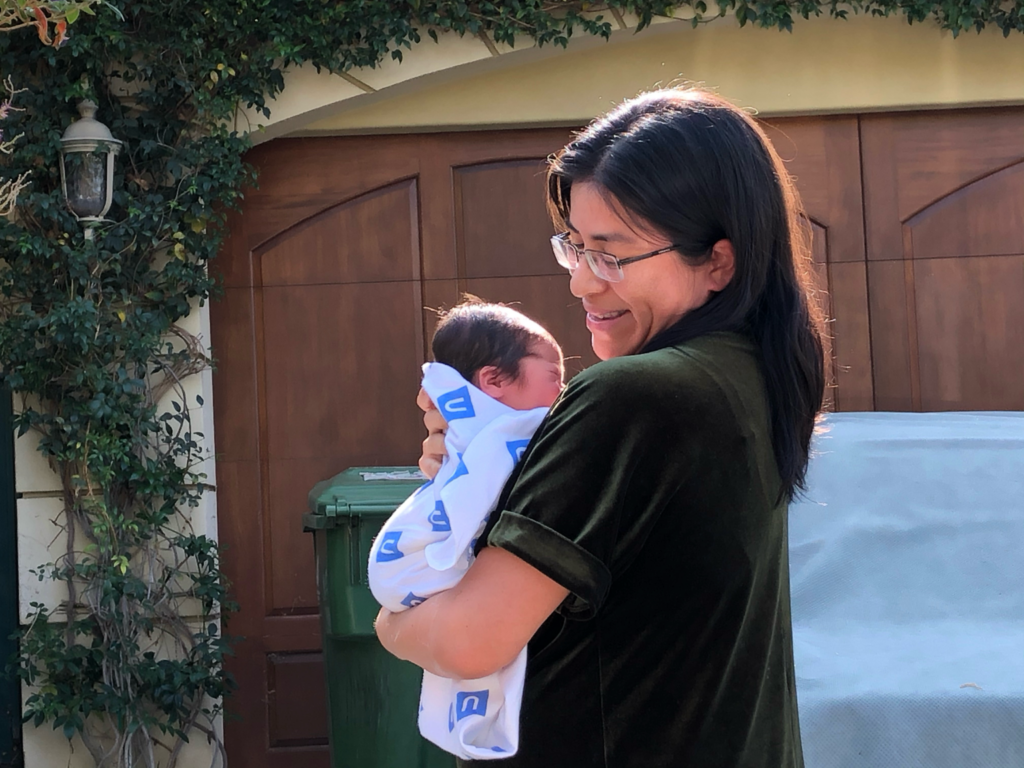
    The day I brought my first son home from UCLA Santa Monica Medical Center to Pacific Palisades. It was a very special beginning to my journey as a mom.

    After the fire displaced my family, people from that community showed my children and me tremendous kindness. We received food, gift cards for essentials and, perhaps most importantly, emotional support during an incredibly difficult time.

    That kindness stayed with me.

    A few months later, I began volunteering periodically with the children’s Sunday school program. I especially love volunteering around my own children’s classes because I want my kids not only to hear me talk about helping others, but to see me doing it.

    They are so proud when Mommy is volunteering at their Sunday school. And I have to admit, I’m pretty happy about it too.

    What Does Any of This Have to Do With Real Estate?

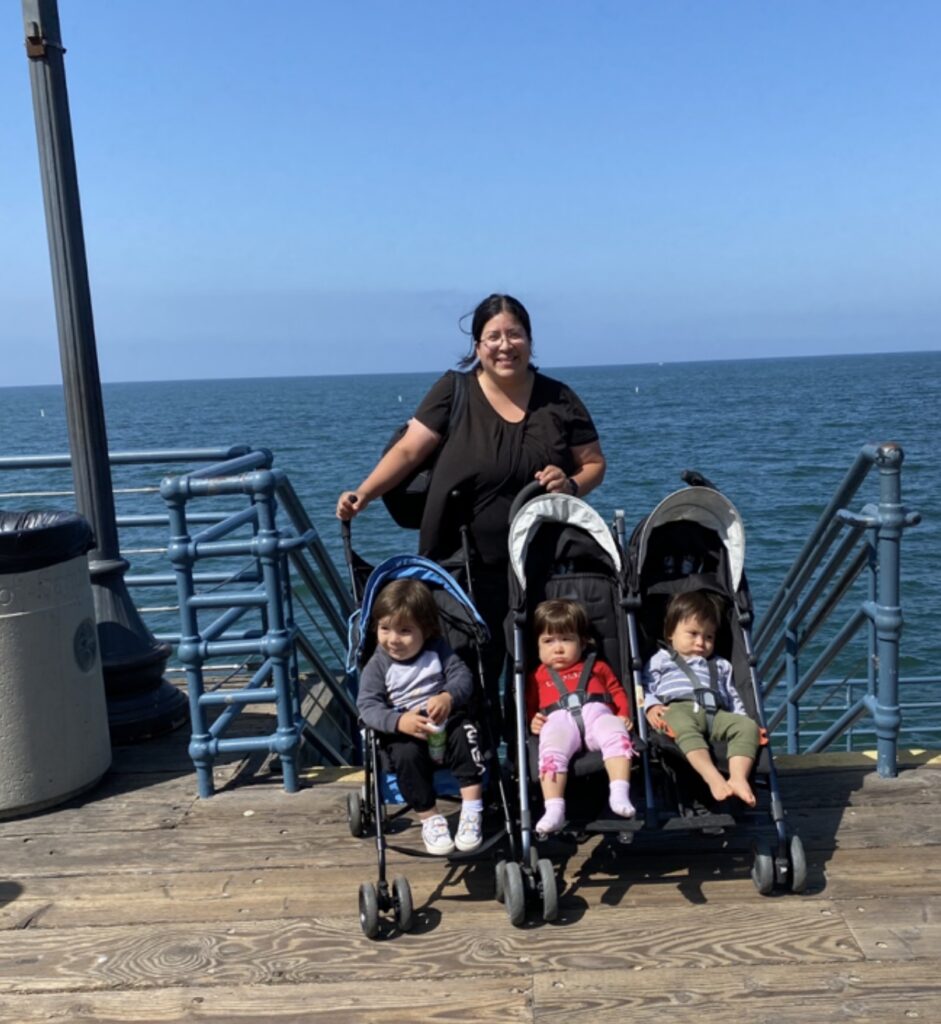
    Enjoying a beautiful day at the Santa Monica Pier with my three kiddos: one of many family memories we’ve made on the Westside.

    Actually, quite a lot.

    Real estate is ultimately about much more than square footage, interest rates and comparable sales.

    It’s about people’s lives.

    A home is where someone brings a new baby home. It’s where children grow up. It’s where people celebrate birthdays, have difficult conversations, invite friends over, start businesses at the kitchen table and build memories that may last much longer than the house itself.

    That’s one reason I approach my work as a California real estate broker serving neighborhoods such as Santa Monica throughout the Westside of Los Angeles, as well as Pacific Palisades, with a service-first mindset.

    I also believe homeowners deserve options.

    Not every seller needs exactly the same level of real estate service. Some want comprehensive representation from beginning to end. Others are experienced, capable sellers who may want MLS exposure and more control over the process. Still others fall somewhere in between. My role isn’t to force every homeowner into the same box. It is to listen, explain the options clearly and help people decide what makes sense for their particular situation.

    Looking Forward

    Santa Monica isn’t exactly the city I remember from my college days or those lunchtime walks years ago.

    But perhaps no city ever stays exactly the same.

    There are real challenges here, and there are also families building lives, students planning their futures, small businesses taking chances, longtime residents who care deeply about their neighborhoods, and communities of people helping one another.

    I’ve experienced that generosity personally.

    It is one of the reasons I am grateful to serve neighborhoods throughout the Westside of Los Angeles, including Santa Monica, as well as Pacific Palisades, as a local real estate broker.

    For me, real estate is a business – but being of service to people is the bigger purpose behind it.

    With gratitude and a heart for service,

    Claudia Backus, MBA

    California Real Estate Broker | REALTOR® Serving Pacific Palisades & the Westside