One of the most common questions in real estate is also one of the hardest to answer:
“How is the market?”
It sounds like a simple question. But after attending The MLS Summit 2026 at the Skirball Cultural Center in Los Angeles, one idea stayed with me: before answering that question, we should first ask, which market?
That may seem like a small distinction, but for a homeowner thinking about selling, it can make a very big difference.
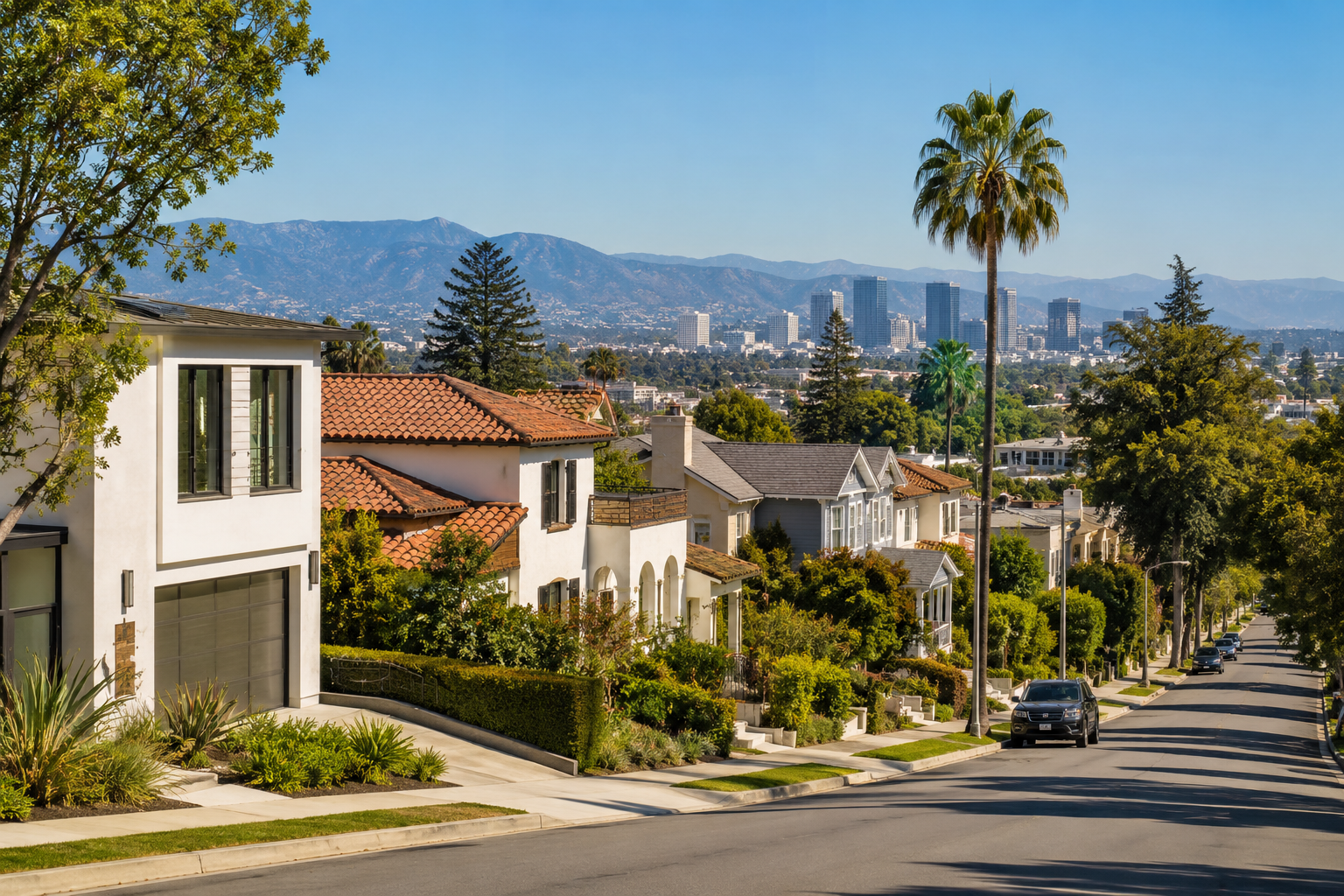
There is no single Los Angeles real estate market behaving exactly the same way everywhere. The market for a home in Pacific Palisades may look very different from the market for a condominium in West Los Angeles. Even within the same neighborhood, homes in different price ranges, locations, sizes, and conditions may face very different competition. That is why I believe homeowners deserve something more useful than a general statement that “the market is good” or “the market is slow.”
Your Home Has Its Own Market
When we hear reports about the Los Angeles housing market, we are usually looking at broad statistics. Those numbers can certainly be useful. They help us understand larger trends in prices, inventory, interest rates, and buyer activity.
But when someone is preparing to sell a particular home, the question becomes much more specific.
What are buyers looking at as alternatives to this home right now? How many similar properties are currently available? What price range are they in? How long have they been on the market? What condition are they in? And perhaps most importantly, how does this particular property fit within those choices? That smaller universe is the market that matters most to the homeowner.

Why Active Listings Matter When Selling a Home
Something else I brought home from the Summit was a greater appreciation for active inventory.
When homeowners think about the value of their property, it is natural to focus on homes that recently sold. Those sales are extremely important, and they are a major part of a thoughtful comparative market analysis.
But active listings tell us something different.
They show us the competition a seller may be facing today.
Imagine that a buyer is searching for a home within a particular area and price range. That buyer may have several properties to choose from this weekend. Those homes are competing for the buyer’s attention at the same moment. Looking carefully at that active competition can help a seller better understand how buyers may perceive the home’s price, condition, location, features, and overall value.
The Market Can Change Within a Few Blocks
This is especially interesting to me as someone who lives and works on the Westside of Los Angeles.
We often talk about areas such as Pacific Palisades, Brentwood, Santa Monica, Westwood, and the surrounding Westside as though each one represents a single market. In reality, even within those communities there can be smaller markets.
Price range matters. Property type matters. Location within a neighborhood matters. Condition matters. Views, lot size, privacy, layout, renovations, and proximity to certain amenities can matter too.
And then there is timing. The competition a homeowner faces when listing a property today may not be the same competition that existed three months ago or will exist three months from now.

Online Estimates Cannot See Everything
Technology has given homeowners access to an incredible amount of real estate information. I think that is a good thing.
A homeowner can look up estimated values, recent sales, neighborhood statistics, and properties for sale in a matter of minutes. Artificial intelligence is making access to information even faster.
But information and interpretation are not quite the same thing.
An automated system may know the square footage and number of bedrooms. It may identify nearby sales. What it may not fully understand is why one comparable is more meaningful than another, how buyers are responding to the current competition, or whether something unique about a home’s condition, location, layout, privacy, view, or improvements changes the comparison. This is one of the reasons I continue to believe that technology and professional judgment work best together.
Good Real Estate Advice Starts With Homework
I have written before that I think of preparing a CMA as doing homework, and I really mean that.
The more I learn about the MLS and the information available to real estate professionals, the more I appreciate how much there is to study before giving a homeowner an opinion about their property.
For me, being prepared means looking beyond one number. It means studying relevant sales, examining active competition, understanding the specific micro market, considering the characteristics of the property, and then explaining what the information may mean for the homeowner’s selling strategy. I would much rather tell someone, “Let me study your particular market,” than give them a quick answer based on a headline about Los Angeles real estate.
So, How Is the Market?
The next time someone asks me that question, I may answer with another one:
Which market?
Because if you are thinking about selling your home, the market that matters most is not necessarily the one being discussed on television or summarized in a national headline.
It is the market surrounding your home, your competition, your price range, and your goals.
One of the reasons I enjoy continuing to learn about real estate and the MLS is that better information helps me be of better service. Homeowners make important financial and personal decisions when they sell a home, and I believe they deserve advice based on preparation, context, and careful attention to the market that actually matters to them.
Claudia Backus, MBA
California Real Estate Broker | REALTOR®
Serving Pacific Palisades & the Westside