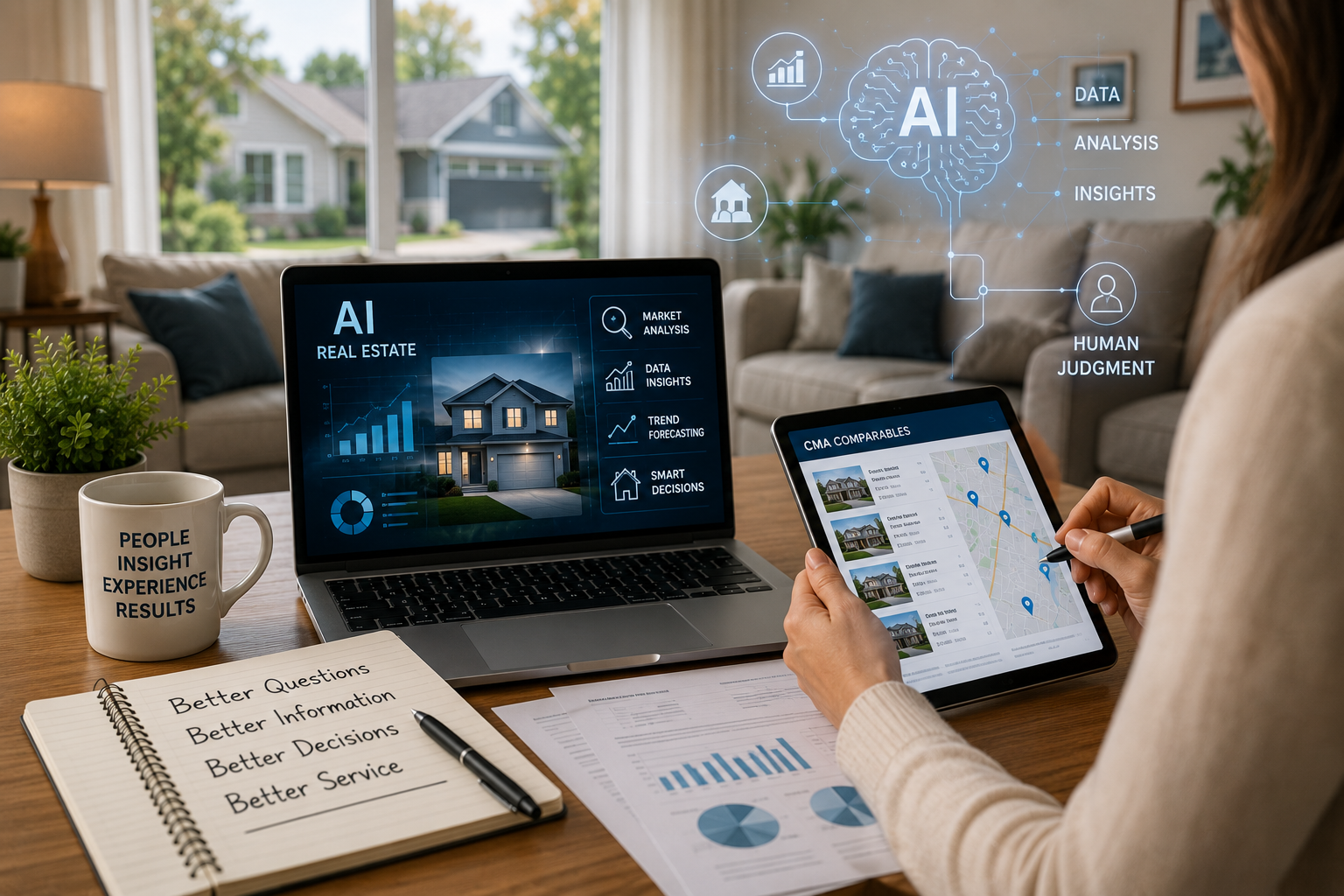
This week, while attending The MLS Summit 2026 at the Skirball Cultural Center on the Westside of Los Angeles, I was especially interested in the conversations about artificial intelligence and the ways AI is becoming part of the real estate industry. I love AI. I use it, I learn from it, and I am fascinated by how quickly the technology is developing. At the same time, I believe that the more powerful these tools become, the more important it is to understand what they can do well, where they can be wrong, and when human judgment still matters.
For homeowners thinking about selling, I believe that distinction is particularly important. Technology can help us work faster and analyze more information, but selling a home is still a very personal decision that involves goals, timing, finances, circumstances, and sometimes a great deal of emotion.
My Interest in AI Started Before the MLS Summit
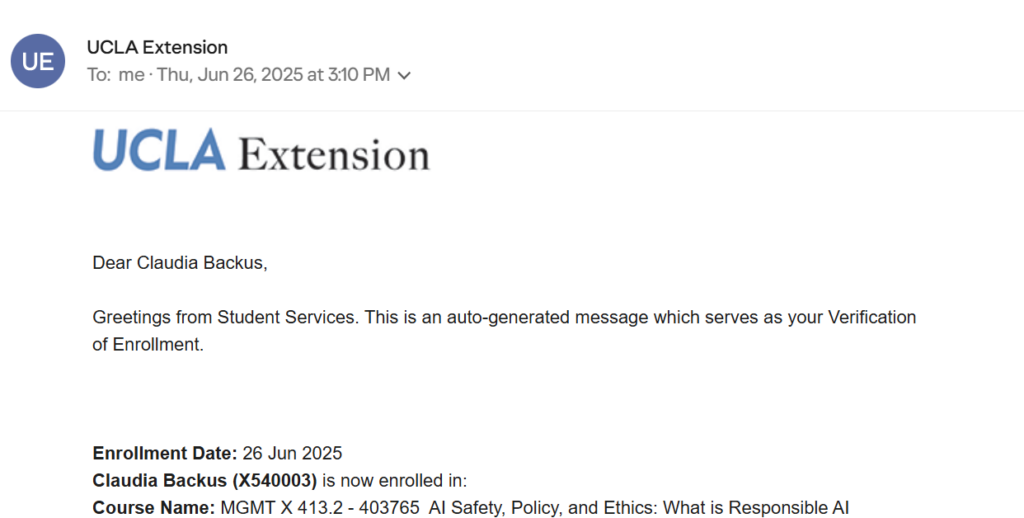
My interest in artificial intelligence did not begin at this conference. Last summer, I took a UCLA Extension course called AI Safety, Policy, and Ethics: What is Responsible AI. I wanted to understand not only what artificial intelligence can do, but also how it should be used responsibly, including questions involving ethics, safety, transparency, accountability, and privacy.
Even after completing my formal education, I have always enjoyed taking classes and continuing to learn. Real estate, technology, finance, and business are constantly changing, and I do not think learning should stop simply because you have a degree or a professional license.
AI Has Already Changed the Way I Learn Real Estate
One reason I personally appreciate AI is that it helps me ask better questions. Real estate has an enormous amount to learn, from MLS rules and contracts to disclosures, market statistics, pricing considerations, financing, local regulations, and technology. When I encounter something unfamiliar, AI can help me understand terminology, organize a complicated subject, think through questions I may not have considered, and identify what I need to research further.
I find that incredibly useful, but there is an important distinction between using AI to help formulate a question and assuming that its answer is correct. I still need to verify important information through the appropriate sources, review MLS data, understand the property and local market, and sometimes ask another professional who knows considerably more about a particular subject than I do. AI can help me learn, but it does not eliminate my responsibility to do my homework.
There Is More Than One AI Tool
One of the slides at The MLS Summit showed several general purpose AI tools together, including ChatGPT, Claude, Gemini, and Perplexity. I liked that slide because it was a reminder that AI is no longer one mysterious piece of technology. Professionals now have access to different tools that can assist with research, organization, analysis, communication, and productivity.
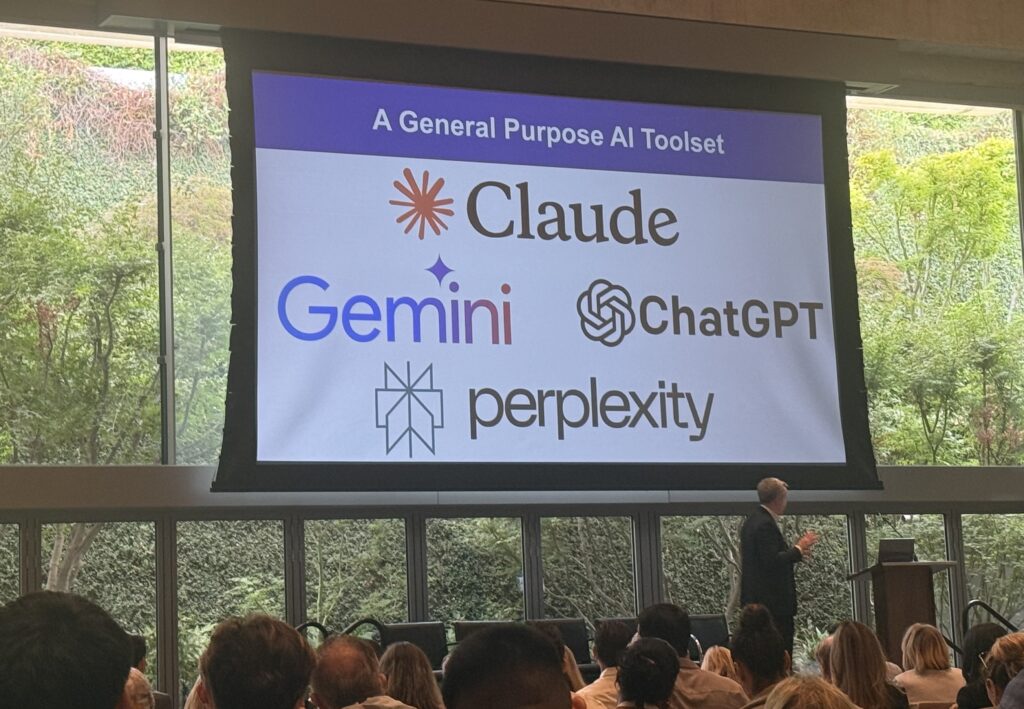
For real estate professionals, these tools can potentially help us organize information, analyze data, prepare for conversations, research unfamiliar topics, and work more efficiently. That can be valuable, but efficiency is not the same thing as judgment.
A Home Is Not Just a Collection of Data
This is where I think the conversation becomes especially relevant for home sellers. AI can analyze numbers very quickly, recognize patterns, and process amounts of information that would take a person considerably longer to review. That ability can be extremely helpful when we are studying a market or trying to make sense of a large amount of real estate data.
But determining how to position a particular home for sale requires context too. How does the home compare with the competition buyers are seeing right now? Which comparable properties are truly comparable? Does a renovation add the value a homeowner expects it to add? How might buyers respond to the condition of the property? Is there something unusual about the location, lot, layout, view, privacy, or neighborhood that changes the comparison? These are the kinds of questions where data is important, but interpreting the data matters just as much.
There is also something even more important that a computer cannot decide for a homeowner: what the seller actually wants. One person may prioritize price, while another may care more about timing, privacy, convenience, or certainty. A family may also have circumstances that influence which selling strategy makes the most sense. Understanding those priorities requires a conversation, not simply an algorithm.
AI Can Provide Information, but People Provide Context
I do not see AI and real estate professionals as competitors. I think the better question is whether a real estate professional knows how to use technology without outsourcing judgment to it. If AI can help me research something faster, discover a question I should be asking, or organize information so I can spend more time understanding a seller’s goals, I consider that valuable.
At the same time, I never want technology to become a substitute for listening. For me, good real estate service still means understanding the person sitting across from me, doing the research, verifying important information, explaining the available choices, and being willing to say, “I need to look into that further,” when I do not know an answer. In many ways, I think AI makes that responsibility more important, not less.
The Future of Real Estate Can Be Both High Tech and Human
I am excited about artificial intelligence, and I want to keep learning about it, experimenting with it, and finding responsible ways to use it in my work. At the same time, I hope the real estate industry never loses sight of what technology is supposed to accomplish. It should help us become better informed, ask better questions, work more efficiently, and ideally give us more time and better information to serve people well.
Homes are personal. Selling one can involve finances, family, memories, uncertainty, and major life decisions. No matter how sophisticated our technology becomes, I believe there will always be value in having a knowledgeable human being listen, think, research, explain, and care.
I am grateful that I have opportunities to keep learning, whether through a UCLA Extension classroom, a real estate conference, the MLS, or simply asking another question when I realize there is something I do not yet understand. For me, that is what learning is ultimately for: not simply knowing more, but becoming better equipped to be of service to others.
Claudia Backus, MBA, REALTOR®
California Real Estate Broker
Serving Pacific Palisades & the Westside