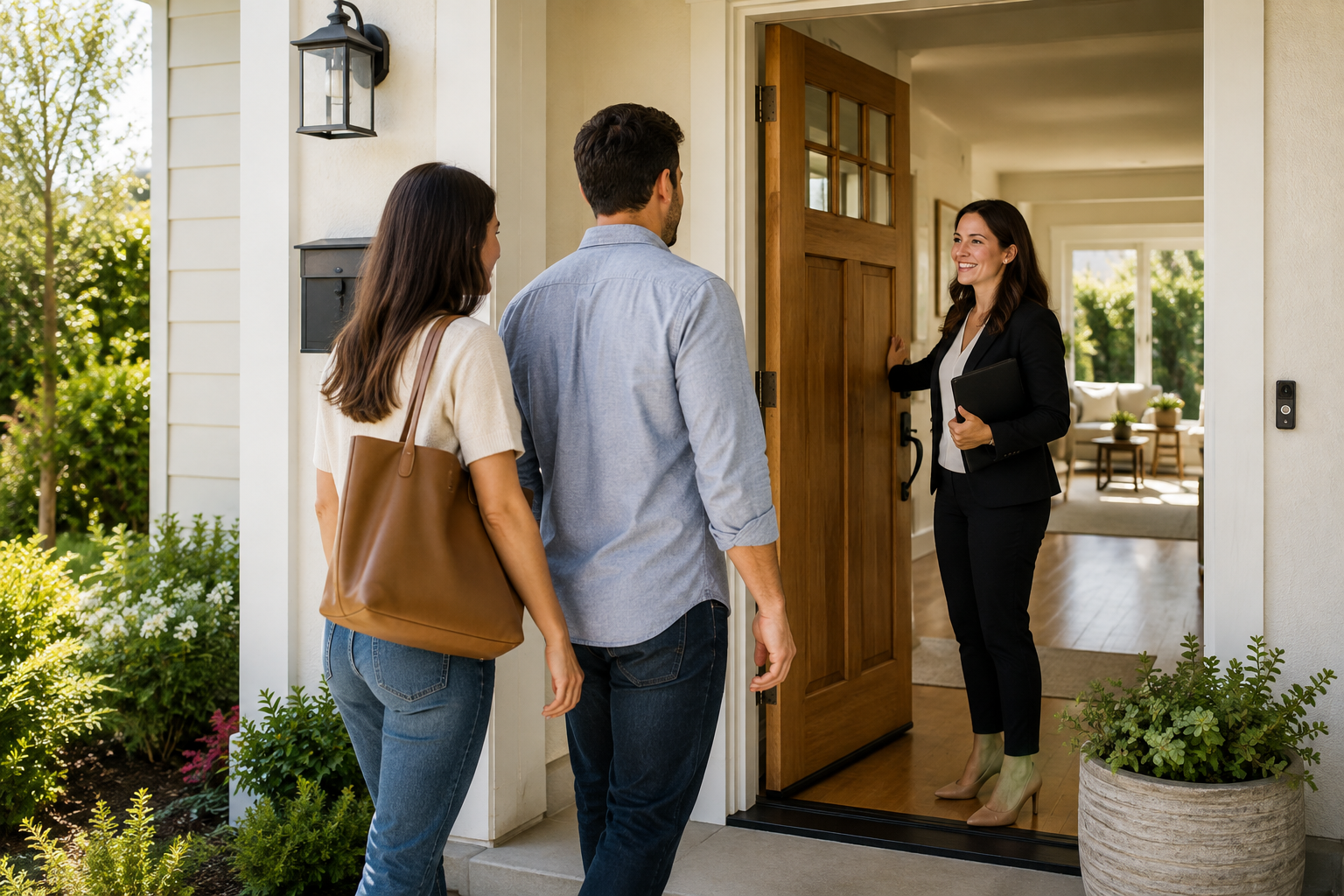
When homeowners prepare to sell, much of the attention naturally goes to the listing price, photographs, condition of the property, and marketing. Those things matter. But there is another part of a selling strategy that may receive much less attention: how easy or difficult it will be for prospective buyers to actually see the home.
A beautiful listing can attract attention online, but at some point a serious buyer usually needs to walk through the property.
That makes showing access more important than it may initially seem.
Buyers Have Schedules Too
Selling a home can be disruptive, especially when the seller is still living there. I understand why a homeowner might prefer very limited showing hours or plenty of advance notice.
At the same time, buyers are working around their own schedules. They may have jobs, children, school commitments, travel plans, or several homes they are trying to see in one afternoon.
Sometimes the time that is most convenient for a buyer will not be the most convenient time for the seller.
That does not mean a homeowner should give up reasonable boundaries or allow people into the property whenever they want. It means showing availability should be considered as part of the overall selling strategy rather than treated as an afterthought.
A Buyer Cannot Fully Experience a Home Online
Real estate photography can be wonderful. Floor plans, property descriptions, virtual tours, and online listing information can help buyers learn a tremendous amount before scheduling a showing.
But photographs cannot tell a buyer exactly how a home feels.
Buyers may want to understand the natural light at a particular time of day. They may want to see how one room connects to another, experience the outdoor space, look at storage, understand the relationship to neighboring properties, or simply stand inside the home and imagine living there.
Those are experiences that are difficult to reproduce completely on a screen.
The online listing may create interest. The showing gives the buyer an opportunity to experience the property.
Too Many Restrictions Can Create Friction
Every seller’s circumstances are different, and there are perfectly legitimate reasons for showing restrictions.
A family may have young children. Someone may work from home. There may be pets to manage. A seller may have privacy concerns or need advance notice before leaving the property.
The question is not whether restrictions are good or bad. The better question is whether the showing plan creates unnecessary obstacles for the buyers the seller is hoping to attract.
For example, if a property can only be shown during a very narrow period on certain days, some buyers may simply be unable to make that schedule work.
That does not necessarily mean they were not interested in the home.
They may never have had the opportunity to see it.
Make the Showing Experience Comfortable
Access is only one part of a showing. The experience buyers have once they arrive matters too.
Whenever reasonably possible, I think buyers should have enough time and space to look at the property comfortably.
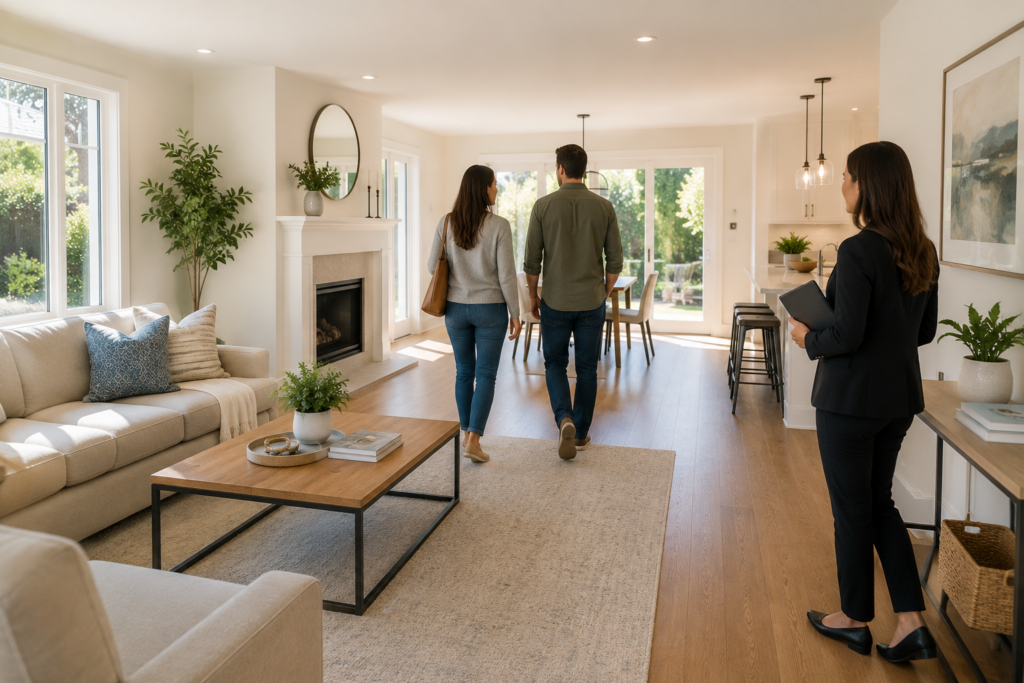
It can be difficult for someone to imagine a home as their own when the current owner is following them from room to room or explaining every feature as they walk through the house.
Sometimes giving buyers a little space allows them to pay attention to what matters to them.
Of course, security and the seller’s comfort matter. Showing procedures should be discussed in advance so everyone understands how appointments will work and who will have access to the property.
Think About Pets Before the First Showing
Pets are part of the family, but they should also be part of the showing plan.
Some buyers may be afraid of dogs. Others may have allergies. A pet may become anxious around strangers or could accidentally get outside while people are entering and leaving the property.
Before the home reaches the market, sellers can decide how pets will be handled during appointments.
Having a plan ahead of time can make showings less stressful for the seller, the buyers, and the animals.
Consider How the Home Will Look During Showings
The home does not need to look as though nobody lives there.
It does help, however, when buyers can comfortably see the property.
Simple routines can make a difference. Opening window coverings when appropriate, turning on lights in darker areas, keeping pathways clear, putting away highly personal or valuable items, and doing a quick check of kitchens and bathrooms before an appointment can help the home feel ready to be seen.
This is also where preparation before listing can make life easier. If much of the decluttering and organizing has already happened, getting ready for an individual showing becomes less overwhelming.
Feedback Can Become Useful Information
After showings begin, patterns in buyer feedback may provide useful information.
One person’s opinion is simply one person’s opinion. I would be careful about reacting dramatically to every comment.
But if several buyers independently raise the same concern, that may be worth paying attention to.
Perhaps buyers consistently mention a condition issue. Maybe they are confused about a feature of the property. Perhaps they like the home but are comparing it with another active listing at a different price.
Feedback does not automatically tell a seller what to do, but repeated observations can become another piece of information to consider alongside showing activity, active competition, Days on Market, and other market data.
More Showings Do Not Guarantee an Offer
It is important to be realistic about what showing access can and cannot accomplish.
Making a property easier to see does not guarantee that it will sell, and a large number of showings does not necessarily mean an offer is coming.
Price, condition, location, competition, market conditions, and the property itself still matter.
But unnecessarily difficult access can introduce an obstacle that has nothing to do with the qualities of the home.
My preference is to remove avoidable friction where reasonably possible while still respecting the seller’s privacy, safety, and daily life.
The Goal Is to Give the Right Buyer an Opportunity to See the Home
There is a lot of technology in real estate today, and buyers can discover properties from almost anywhere.
Still, selling a home remains a very physical experience.
At some point, someone may need to open the front door, walk through the rooms, look out the windows, step into the backyard, and decide whether this could be the place they want to call home.
A seller cannot control who will love the property or whether a particular buyer will make an offer.
What a seller can do is think carefully about whether interested buyers are being given a reasonable opportunity to experience the home for themselves.
Sometimes a seemingly small part of the listing strategy can matter more than we realize.
With gratitude and a heart of service,
Claudia Backus, MBA
California Real Estate Broker
REALTOR®
Serving Pacific Palisades & the Westside