Tag: Real Estate Technology

  • How AI Is Changing Real Estate Without Replacing Human Judgment

    How AI Is Changing Real Estate Without Replacing Human Judgment

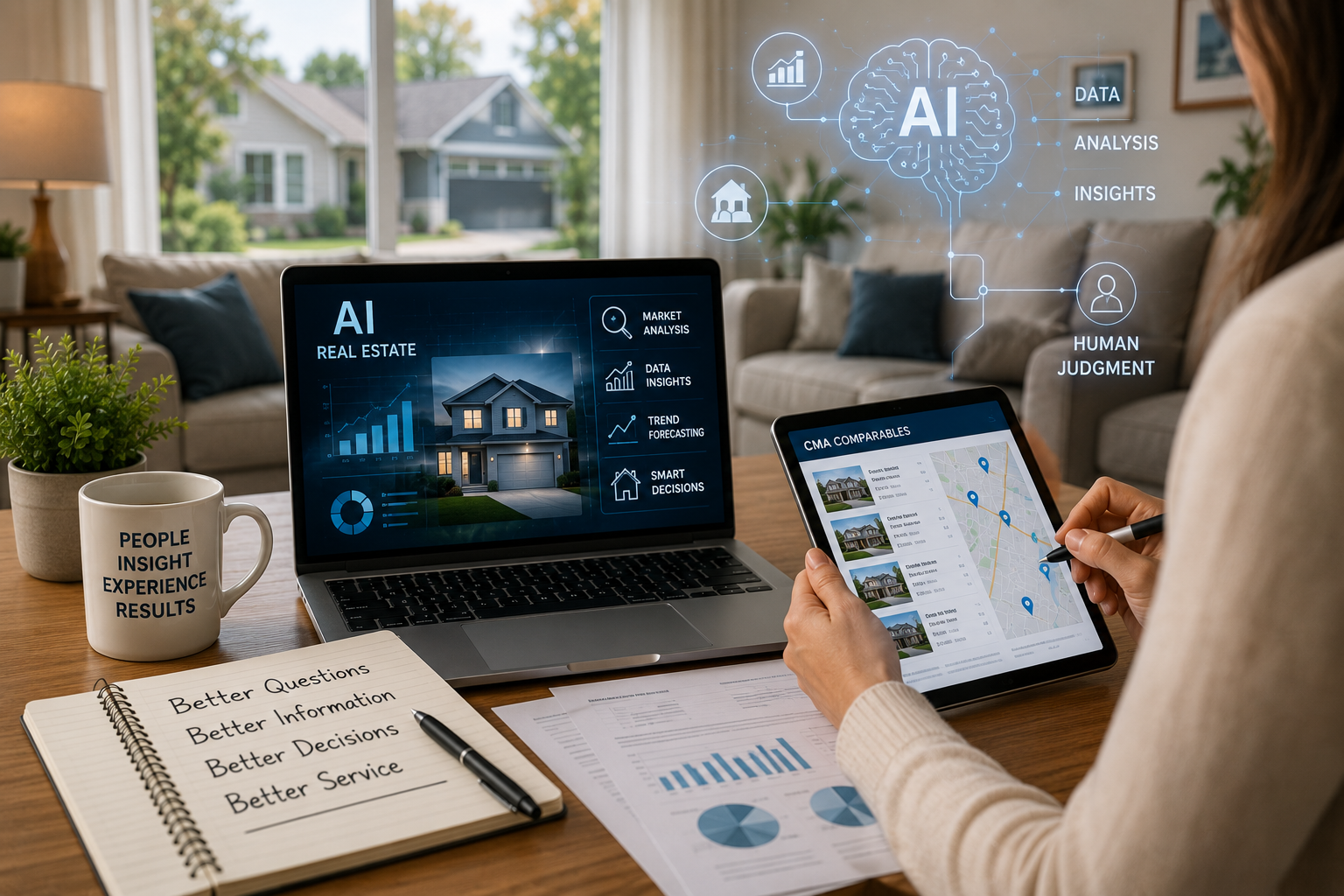
    This week, while attending The MLS Summit 2026 at the Skirball Cultural Center on the Westside of Los Angeles, I was especially interested in the conversations about artificial intelligence and the ways AI is becoming part of the real estate industry. I love AI. I use it, I learn from it, and I am fascinated by how quickly the technology is developing. At the same time, I believe that the more powerful these tools become, the more important it is to understand what they can do well, where they can be wrong, and when human judgment still matters.

    For homeowners thinking about selling, I believe that distinction is particularly important. Technology can help us work faster and analyze more information, but selling a home is still a very personal decision that involves goals, timing, finances, circumstances, and sometimes a great deal of emotion.

    My Interest in AI Started Before the MLS Summit

    My interest in artificial intelligence did not begin at this conference. Last summer, I took a UCLA Extension course called AI Safety, Policy, and Ethics: What is Responsible AI. I wanted to understand not only what artificial intelligence can do, but also how it should be used responsibly, including questions involving ethics, safety, transparency, accountability, and privacy.

    Even after completing my formal education, I have always enjoyed taking classes and continuing to learn. Real estate, technology, finance, and business are constantly changing, and I do not think learning should stop simply because you have a degree or a professional license.
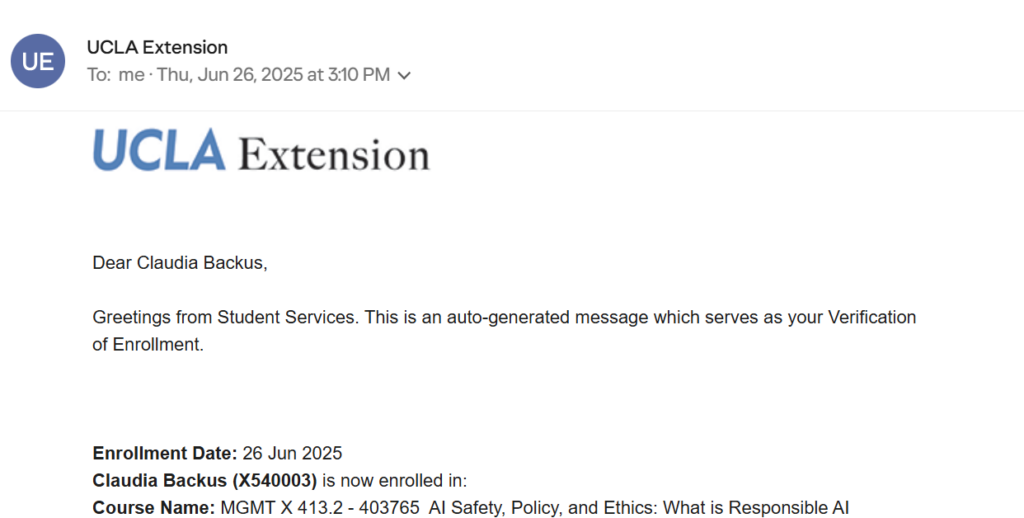
    Even after graduation, I have always enjoyed continuing to learn. Last summer, that curiosity led me to take AI Safety, Policy, and Ethics: What is Responsible AI through UCLA Extension.

    AI Has Already Changed the Way I Learn Real Estate

    One reason I personally appreciate AI is that it helps me ask better questions. Real estate has an enormous amount to learn, from MLS rules and contracts to disclosures, market statistics, pricing considerations, financing, local regulations, and technology. When I encounter something unfamiliar, AI can help me understand terminology, organize a complicated subject, think through questions I may not have considered, and identify what I need to research further.

    I find that incredibly useful, but there is an important distinction between using AI to help formulate a question and assuming that its answer is correct. I still need to verify important information through the appropriate sources, review MLS data, understand the property and local market, and sometimes ask another professional who knows considerably more about a particular subject than I do. AI can help me learn, but it does not eliminate my responsibility to do my homework.

    There Is More Than One AI Tool

    One of the slides at The MLS Summit showed several general purpose AI tools together, including ChatGPT, Claude, Gemini, and Perplexity. I liked that slide because it was a reminder that AI is no longer one mysterious piece of technology. Professionals now have access to different tools that can assist with research, organization, analysis, communication, and productivity.
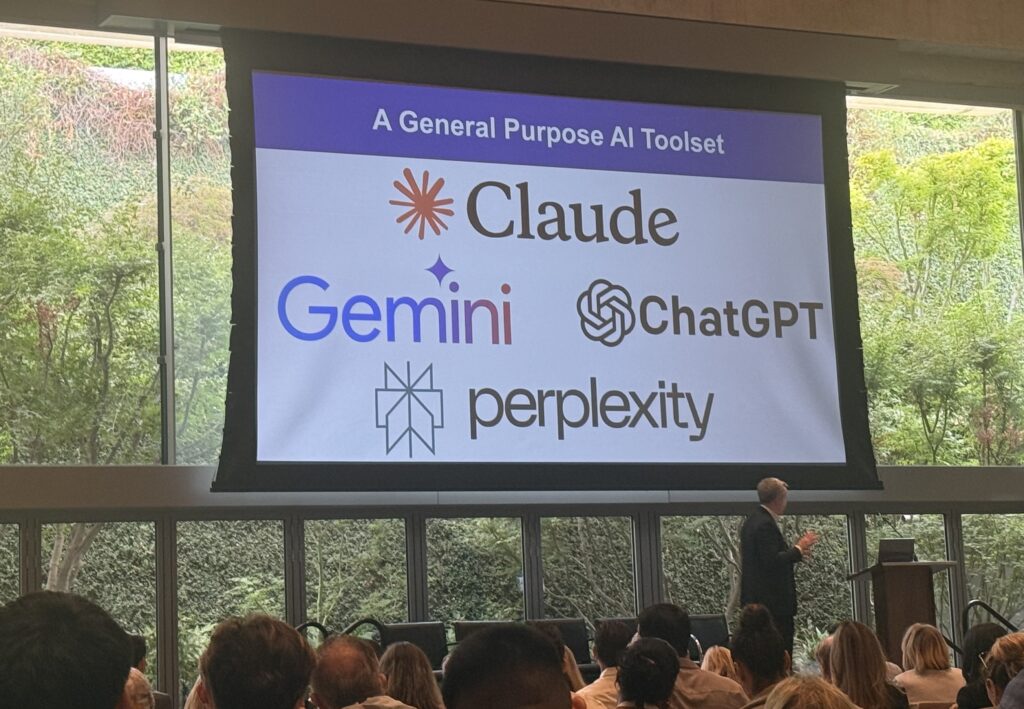
    Artificial intelligence was part of the conversation at The MLS Summit 2026, including how tools such as ChatGPT, Claude, Gemini, and Perplexity are becoming part of everyday professional workflows.

    For real estate professionals, these tools can potentially help us organize information, analyze data, prepare for conversations, research unfamiliar topics, and work more efficiently. That can be valuable, but efficiency is not the same thing as judgment.

    A Home Is Not Just a Collection of Data

    This is where I think the conversation becomes especially relevant for home sellers. AI can analyze numbers very quickly, recognize patterns, and process amounts of information that would take a person considerably longer to review. That ability can be extremely helpful when we are studying a market or trying to make sense of a large amount of real estate data.

    But determining how to position a particular home for sale requires context too. How does the home compare with the competition buyers are seeing right now? Which comparable properties are truly comparable? Does a renovation add the value a homeowner expects it to add? How might buyers respond to the condition of the property? Is there something unusual about the location, lot, layout, view, privacy, or neighborhood that changes the comparison? These are the kinds of questions where data is important, but interpreting the data matters just as much.

    There is also something even more important that a computer cannot decide for a homeowner: what the seller actually wants. One person may prioritize price, while another may care more about timing, privacy, convenience, or certainty. A family may also have circumstances that influence which selling strategy makes the most sense. Understanding those priorities requires a conversation, not simply an algorithm.

    AI Can Provide Information, but People Provide Context

    I do not see AI and real estate professionals as competitors. I think the better question is whether a real estate professional knows how to use technology without outsourcing judgment to it. If AI can help me research something faster, discover a question I should be asking, or organize information so I can spend more time understanding a seller’s goals, I consider that valuable.

    At the same time, I never want technology to become a substitute for listening. For me, good real estate service still means understanding the person sitting across from me, doing the research, verifying important information, explaining the available choices, and being willing to say, “I need to look into that further,” when I do not know an answer. In many ways, I think AI makes that responsibility more important, not less.

    The Future of Real Estate Can Be Both High Tech and Human

    I am excited about artificial intelligence, and I want to keep learning about it, experimenting with it, and finding responsible ways to use it in my work. At the same time, I hope the real estate industry never loses sight of what technology is supposed to accomplish. It should help us become better informed, ask better questions, work more efficiently, and ideally give us more time and better information to serve people well.

    Homes are personal. Selling one can involve finances, family, memories, uncertainty, and major life decisions. No matter how sophisticated our technology becomes, I believe there will always be value in having a knowledgeable human being listen, think, research, explain, and care.

    I am grateful that I have opportunities to keep learning, whether through a UCLA Extension classroom, a real estate conference, the MLS, or simply asking another question when I realize there is something I do not yet understand. For me, that is what learning is ultimately for: not simply knowing more, but becoming better equipped to be of service to others.

    Claudia Backus, MBA, REALTOR®
    California Real Estate Broker
    Serving Pacific Palisades & the Westside
  • What I Learned at The MLS Summit 2026: Why the MLS Still Matters to Los Angeles Home Sellers

    What I Learned at The MLS Summit 2026: Why the MLS Still Matters to Los Angeles Home Sellers

    This week, I attended The MLS Summit 2026 at the Skirball Cultural Center on the Westside of Los Angeles. I went ready to learn, and I left with an even greater appreciation for how much information is available through the MLS and how important it is for real estate professionals to know how to use that information well.

    As a real estate broker, I believe knowledge is part of service. The more I understand about the market, the tools available to me, and the choices available to sellers, the better prepared I am to help someone make a thoughtful decision about one of their largest assets. One of my biggest takeaways from the day was simple: the MLS is much more than a place where homes are listed for sale.

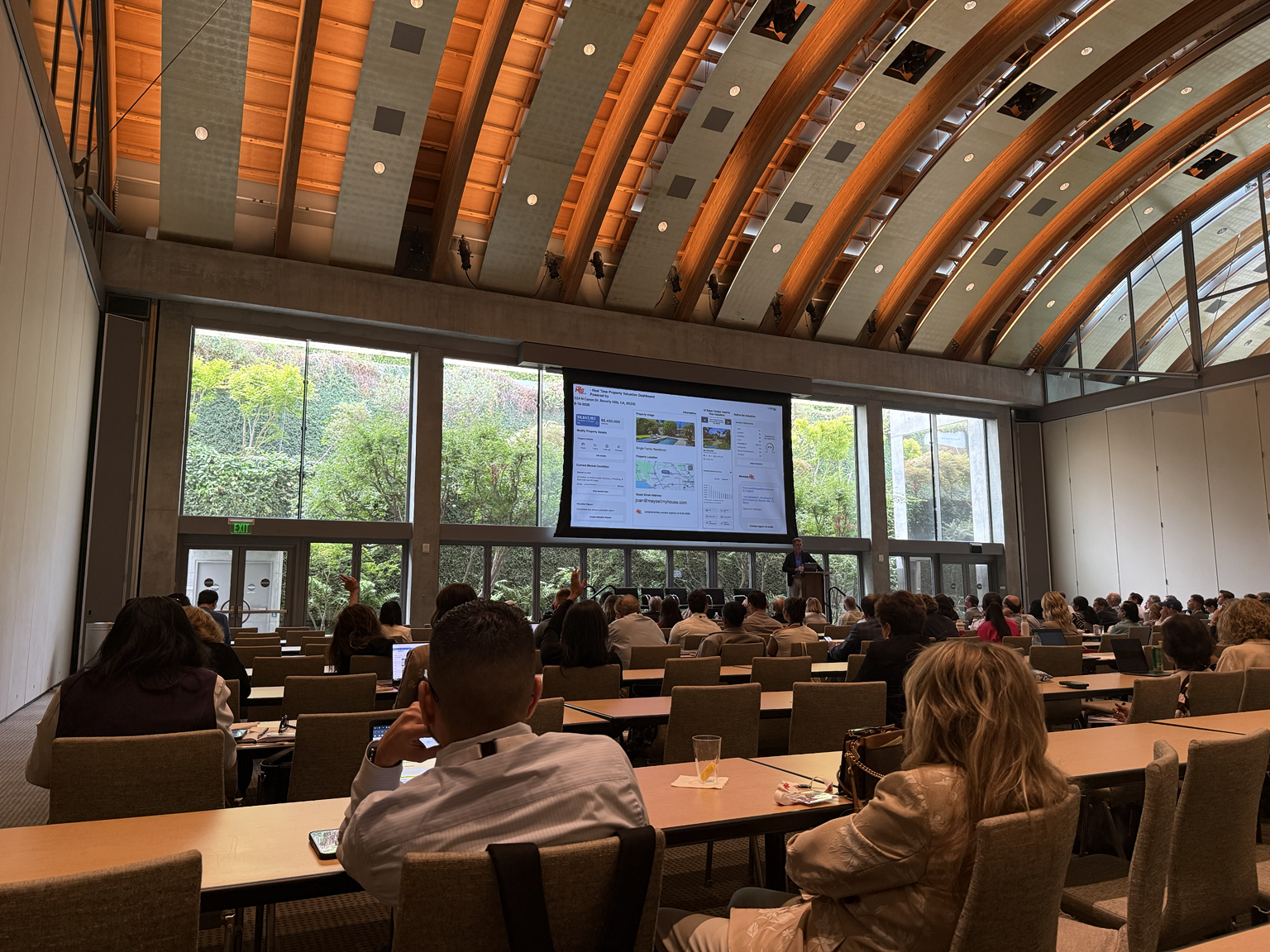
    A fun day of learning at The MLS Summit 2026. There is always more to learn in real estate, and I believe that knowledge helps me better serve my clients.

    So, Why Does the MLS Still Matter to Home Sellers?

    Today, homeowners have access to an incredible amount of real estate information online. You can search for homes, look at estimated values, review recent sales, and follow the market from your phone. That access is useful, but having information and knowing how to interpret it are not always the same thing.

    For a homeowner preparing to sell, the questions become much more specific. Which recently sold homes are actually comparable to yours? What homes are currently competing for the same buyers? How long are similar properties taking to sell? Have there been price reductions? What happened with listings that did not sell? And what does all of that information mean for your particular home?

    This is where professional MLS access, combined with research, local knowledge, and human judgment, can become very valuable. The MLS gives real estate professionals detailed information that can help us understand not only what has sold, but also what is happening in the market right now.

    A CMA Is More Than a Number

    One of the sessions that especially resonated with me was about the Comparative Market Analysis, or CMA. To me, a good CMA is homework. It means studying the property, looking carefully at relevant comparable sales, understanding the current competition, considering the differences between properties, and paying attention to what is happening in that particular market.

    That matters because pricing a home is not simply about finding a number that sounds good. A thoughtful pricing strategy should have a reason behind it, and a seller should be able to understand that reason. Data is important, but so is the ability to interpret it and explain what it may mean for a specific property.

    Technology Can Help, but Judgment Still Matters

    I love AI, and I believe technology will continue changing real estate in ways we are only beginning to understand. AI can help professionals research, organize information, identify patterns, and work more efficiently. I am excited to keep learning how to use these tools responsibly and effectively.

    At the same time, the summit reinforced something important for me. More technology does not make good real estate information less important. It makes knowing what information to trust and how to use it even more important. A seller does not need someone simply because that person can pull up data. A seller needs someone who can study the information, ask good questions, explain what matters, and apply it to the seller’s actual situation.

    AI was part of the conversation at The MLS Summit 2026, and I believe these tools can help real estate professionals work more efficiently while still relying on human judgment and trusted market information.

    Sellers Should Understand Their Options

    Another reason the MLS continues to matter is exposure and choice. Not every seller has exactly the same priorities. One homeowner may want broad exposure. Another may care deeply about privacy. Someone else may be focused on timing, convenience, cost, or having more control over the selling process.

    My philosophy is not that every homeowner needs exactly the same service. I believe in being a broker who gives sellers options, explains those options clearly, and helps them understand the advantages and limitations of each one. The right approach should be based on the seller’s goals, the property, the market, and the rules that apply.

    My job is not to push someone toward the option that benefits me most. My job is to help a seller understand the choices, provide useful information, and support that seller in making a decision that makes sense for them.

    Knowledge Is Part of Service

    I left The MLS Summit 2026 reminded of how much there is to learn about the MLS and how valuable that learning can be. Real estate changes, technology changes, MLS tools and rules evolve, and markets change. I want to keep learning because every new piece of knowledge gives me another opportunity to become more useful to the people I serve.

    For me, being a good broker is not about pretending to know everything. It is about doing the homework, asking questions, continuing to learn, and taking the time to explain things clearly. If you are thinking about selling a home in Pacific Palisades or elsewhere on the Westside of Los Angeles, you deserve to understand the market, the information behind the recommendations you receive, and the choices available to you.

    I am grateful for opportunities like The MLS Summit that allow me to learn from others, strengthen my knowledge, and bring that knowledge back to the people I serve. At the end of the day, real estate is about more than properties and numbers. It is about people, trust, and being of service to others. I hope to keep learning with gratitude, keep showing up with a heart for service, and use what I learn to help others make informed decisions with greater confidence.

    Claudia Backus, MBA, REALTOR®
    California Real Estate Broker
    Serving Pacific Palisades & the Westside