
Tag: Preparing a Home for Sale

  • Should You Make Repairs Before Selling Your Home? What Los Angeles Sellers Should Consider

    Should You Make Repairs Before Selling Your Home? What Los Angeles Sellers Should Consider

    One of the questions homeowners often face before putting a property on the market is whether they should make repairs first or simply sell the home in its current condition.

    It sounds like a simple decision, but it rarely is. Some repairs can make a home easier to sell and help buyers feel more comfortable with the property. Other improvements may cost far more than they ultimately contribute to the sale. In Los Angeles, where buyers can encounter everything from beautifully renovated homes to properties that have not been updated in decades, there is no single answer that works for every seller.

    The better question may be: Which repairs actually matter for this particular home, in this particular market, and for the buyers most likely to purchase it?

    Start With the Difference Between Repairs and Improvements

    Repairs and improvements are not necessarily the same thing.

    A repair addresses something that is damaged, broken, leaking, unsafe, or not functioning properly. An improvement changes or upgrades the home, such as replacing an older kitchen that still works with a brand new one.

    That distinction matters because sellers can easily begin with a short repair list and suddenly find themselves considering new countertops, new flooring, new appliances, new landscaping, and an entire list of cosmetic upgrades.

    Before spending that money, it is important to understand what problem you are actually trying to solve.

    If a leaking faucet, broken door, damaged wall, or nonfunctioning light fixture can be repaired relatively easily, taking care of it may prevent a buyer from wondering what else has been neglected. A major renovation, however, requires a much more careful analysis.

    Buyers Notice the Small Things Too

    When homeowners have lived in a property for many years, they naturally become accustomed to its little imperfections. A door that sticks, a cabinet handle that is loose, or a light switch that does not work may barely register anymore.

    A buyer is seeing the home for the first time.

    Small visible problems can sometimes influence the way a buyer perceives the rest of the property. One minor issue is usually just a minor issue, but several of them together can create the impression that the home has not been well maintained.

    This does not mean a house needs to be perfect before it can be sold. It simply means that relatively inexpensive repairs may deserve attention when they improve the overall impression of care.

    Be Careful About Renovating for Someone Else

    One of the biggest risks sellers face is spending significant money creating a home that reflects their own taste rather than the future buyer’s.

    Imagine spending thousands of dollars choosing new flooring, fixtures, or finishes only to discover that the eventual buyer would have preferred something completely different.

    This can be particularly important with kitchens and bathrooms because renovations can become expensive very quickly. A seller may assume that a new kitchen will automatically increase the sale price by at least the amount spent on the renovation, but real estate does not always work that way.

    The value of an improvement depends on many factors, including the neighborhood, the property’s price range, the quality of the work, the current competition, and what buyers in that particular market expect.

    Sometimes the better decision is to allow buyers to see the home’s potential and make their own choices after purchasing it.
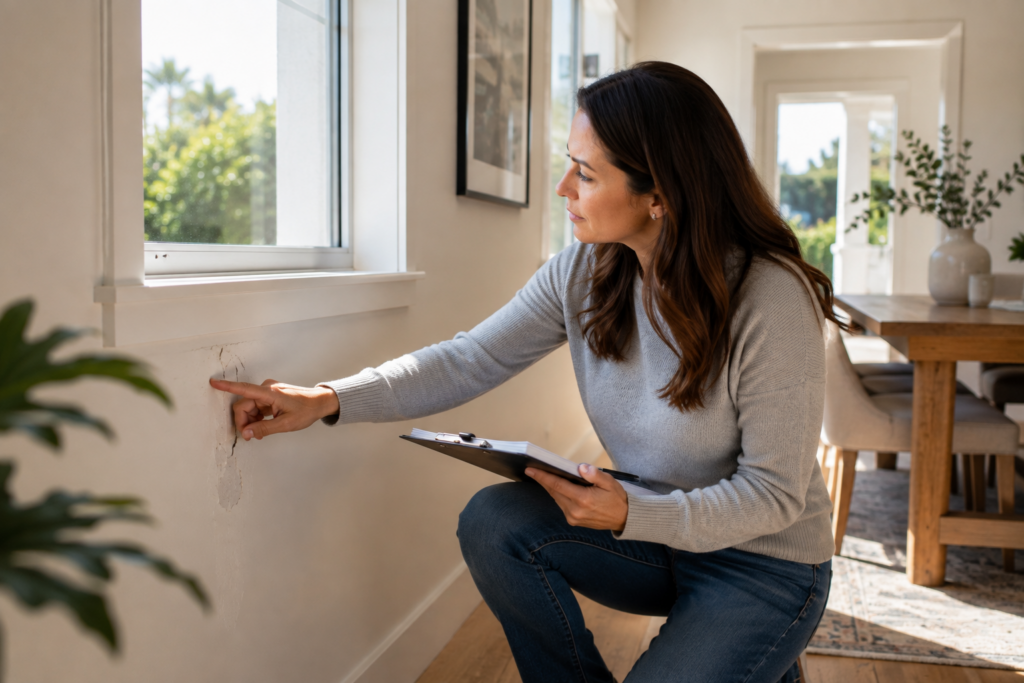
    Homeowner reviewing repair notes while walking through a bright Los Angeles home before listing it for sale.
    Thoughtful repairs can improve the way a home presents to buyers, but sellers do not necessarily need to renovate everything before putting a property on the market.

    Consider How Your Home Compares With the Competition

    The condition of competing homes matters.

    If buyers looking in your neighborhood are primarily seeing renovated properties and your home requires significant work, condition may affect both the price buyers are willing to pay and the way the property should be positioned.

    On the other hand, an older home does not automatically need to be transformed into a newly renovated one before it can compete.

    Some buyers specifically look for homes they can personalize. Others may value the location, lot, floor plan, architectural character, or potential more than updated finishes.

    This is why decisions about repairs should not be made in isolation. Looking at comparable properties can help a seller understand what buyers are currently seeing and what they may expect at a particular price.

    Think About the Seller’s Priorities Too

    The best decision is not based only on the house. It also depends on the seller.

    One homeowner may have the time, money, and desire to complete repairs before listing. Another may need to sell quickly and prefer not to manage contractors or take on additional expenses.

    Those are both legitimate considerations.

    Selling a home is not simply an exercise in achieving the highest theoretical price. Sellers also have to consider timing, convenience, available cash, stress, and what makes sense for their individual circumstances.

    Sometimes preparing a property more extensively is worthwhile. Sometimes selling it in its current condition is the more practical choice.

    Get Information Before You Start Spending

    Before beginning a long list of projects, it can be helpful to first understand how the home is likely to compete in the current market.

    Which issues are likely to matter to buyers? Which ones are mostly cosmetic? Are there relatively simple repairs that could improve the home’s presentation? Would a major renovation make financial sense, or would the seller be better served by adjusting the pricing strategy?

    These questions are easier to answer when the property’s condition is considered alongside comparable sales, current listings, buyer expectations, and the seller’s own goals.

    A home does not have to be perfect to be marketable, and sellers should not assume that every dollar spent before a sale will automatically come back to them.

    The goal is not necessarily to fix everything. It is to make thoughtful decisions about what is worth addressing and what may be better left for the next owner.

    With gratitude and a heart for service,

    Claudia Backus, MBA
    California Real Estate Broker
    REALTOR®
    Serving Pacific Palisades & the Westside of Los Angeles

  • What Should You Do Before Listing Your Home for Sale? A Practical Guide for Los Angeles Homeowners

    What Should You Do Before Listing Your Home for Sale? A Practical Guide for Los Angeles Homeowners

    Selling a home involves much more than deciding on a price and putting the property on the market. Long before the listing becomes visible to buyers, there are decisions to make about the condition of the home, repairs, presentation, paperwork, photography, pricing, and how the property will be introduced to the market.

    I think this preparation stage deserves more attention because some of the most important decisions a seller makes happen before the listing ever goes live.

    If I were sitting down with a homeowner who was thinking about selling, I would want to start by looking at the entire property and asking a simple question: What should we understand and prepare before buyers begin evaluating this home?

    Start by Looking at the Home Through a Buyer’s Eyes

    Living in a home and preparing a home for sale are two very different experiences.

    When we live somewhere every day, we naturally stop noticing certain things. A scuffed wall, an overfilled closet, an older light fixture, or landscaping that needs attention can become part of the background.

    A buyer is seeing everything for the first time.

    That does not mean a seller needs to renovate the entire property. In fact, I would be very careful about spending significant money on improvements simply because a home is going on the market. The goal should be to identify what is worth addressing and what may not provide enough benefit to justify the cost.

    Sometimes cleaning, decluttering, improving lighting, touching up paint, or taking care of relatively small maintenance items can change the way a home presents without requiring a major renovation.

    Understand the Condition of the Property

    Before marketing begins, sellers should have a realistic understanding of the condition of their home.

    Are there repairs that have been postponed? Is the roof approaching the end of its useful life? Are there plumbing, electrical, heating, cooling, drainage, or other issues that a buyer may eventually discover?

    A seller does not necessarily have to repair everything before listing. Sometimes it makes more sense to obtain information or estimates and consider those issues as part of the overall selling strategy.

    A presale inspection is another option a homeowner may discuss with their real estate professional. It is not required, but it can sometimes identify issues before a buyer conducts an inspection of their own.

    The important thing is not to assume that every problem needs to be fixed or that every improvement will increase the selling price by the amount spent. Each property is different.

    Start Gathering Information About the Home

    There is another part of preparing to sell that buyers never see in the listing photographs: paperwork.

    Sellers may need to gather information about repairs, improvements, permits, warranties, appliances, property systems, and other aspects of the home.

    In California, seller disclosures are an important part of the transaction. Sellers generally have obligations to disclose known material facts and conditions affecting the property. This is one reason I believe it is helpful to begin thinking about the history and condition of the home early rather than waiting until an offer arrives.

    If you replaced a roof, remodeled a kitchen, installed a new heating or cooling system, repaired previous damage, or completed other significant work, start gathering the documents you have.

    Being organized can make the transaction easier later.

    Homeowner reviewing information before listing a Los Angeles home for sale
    Good preparation before a home reaches the market can help sellers make more informed decisions throughout the selling process.

    Decide What Is Worth Improving Before You Sell

    One of the questions homeowners frequently face is how much they should improve a property before selling it.

    There is no universal answer.

    A home that has been beautifully maintained may need very little preparation. Another property may benefit from painting, landscaping, repairs, or professional staging. In some situations, selling the property in its current condition may make the most sense.

    I would rather evaluate improvements in the context of the specific home and its competition.

    What other homes are currently for sale nearby? What condition are they in? What will buyers see when they compare those properties online? What price range are we trying to compete in?

    Those questions can help separate improvements that may strengthen the presentation of a home from projects that simply consume time and money.

    Prepare the Home Before the Camera Arrives

    Today, many buyers will encounter a property online before they ever walk through the front door.

    That makes the preparation before professional photography particularly important.

    Rooms should feel clean and easy to understand. Counters may need to be cleared. Personal items may need to be reduced. Window coverings can be adjusted to improve natural light. Outdoor areas should also be considered because the first photograph a buyer sees may be the front of the property.

    Professional photography cannot completely compensate for a home that was not prepared beforehand.

    The camera records what is there.

    For that reason, I think photography should come toward the end of the preparation process, after the home is ready to be presented.

    Study the Competition Before Choosing a Listing Price

    I have written before about Comparative Market Analyses, active inventory, and Days on Market because pricing should not happen in isolation.

    Before choosing a listing price, I want to know what buyers will be comparing the home against right now.

    Recently sold properties are important because they provide evidence of what buyers have paid. But active listings matter too because those are the homes competing for the same buyers today.

    A homeowner may understandably have a number in mind. Online estimates may show another number. A nearby sale may suggest something different.

    The job is to put all of that information into context and develop a pricing strategy based on the actual property and its current market.

    Think About the Launch as a Strategy

    I also think sellers should consider how they want their property introduced to the market before the listing is entered into the MLS.

    There are decisions about timing, photographs, showing availability, listing information, marketing, and the seller’s preferred level of exposure.

    I have written separately about public and private listing options because sellers may have different priorities. For many homeowners, broad exposure is important. Other sellers may have privacy or timing considerations that need to be discussed.

    What matters is that these decisions are made intentionally and with an understanding of the potential advantages and tradeoffs.

    Preparation Does Not Mean Perfection

    Perhaps the most important thing I would tell a homeowner is that preparing a home for sale does not mean creating a perfect house.

    Homes are lived in. They age. Families grow in them. Things break and get repaired. Kitchens become dated. Floors show wear. Gardens change. Buyers understand that.

    The purpose of preparing a home is not to erase its history. It is to understand what you are selling, present it thoughtfully, organize the information buyers will need, and create a strategy that gives the property a strong introduction to the market.

    For me, that is where a good home sale really begins: before the listing goes live.

    With gratitude and a heart of service,

    Claudia Backus, MBA
    California Real Estate Broker I REALTOR®
    Serving Pacific Palisades & the Westside