
What Happens After You Accept an Offer on Your Home? A Guide for California Sellers
Receiving an offer on your home can be exciting, and accepting one can feel like a major milestone. But for a seller, an accepted offer is not the end of the process. In many ways, it begins the next important stage of the transaction.
Once a home is under contract, there are still several steps that may need to happen before the sale closes. Depending on the terms of the agreement, these can include the buyer’s deposit, inspections, disclosures, an appraisal, financing, contingency periods, requests for repairs or credits, and the final steps leading to closing.
Understanding what may happen after accepting an offer can help sellers feel more prepared and make better decisions throughout the transaction.
The Purchase Agreement Becomes Your Road Map
Once an offer has been accepted and a contract has been formed, the purchase agreement becomes an important road map for the transaction.
The agreement establishes the price and other terms the buyer and seller have agreed upon. It can also include important deadlines and contingency provisions.
This is why I believe sellers should look beyond the purchase price when reviewing an offer. Two buyers offering the same amount of money may be proposing very different terms.
Before accepting an offer, it is important to understand not only what the buyer is offering to pay, but also what the agreement will require from both sides after acceptance.
The Buyer’s Deposit
The purchase agreement may require the buyer to place an initial deposit into escrow within the time specified in the contract.
Sellers sometimes hear the phrase earnest money deposit used to describe this money. The deposit demonstrates the buyer’s commitment to the transaction, but its treatment is governed by the purchase agreement and applicable California law.
A seller should not assume that accepting an offer means the deposit immediately belongs to the seller if the transaction does not close. What happens to a deposit can depend on the circumstances, the contract, contingencies, and other legal considerations.
This is one of the reasons the details of the purchase agreement matter so much.
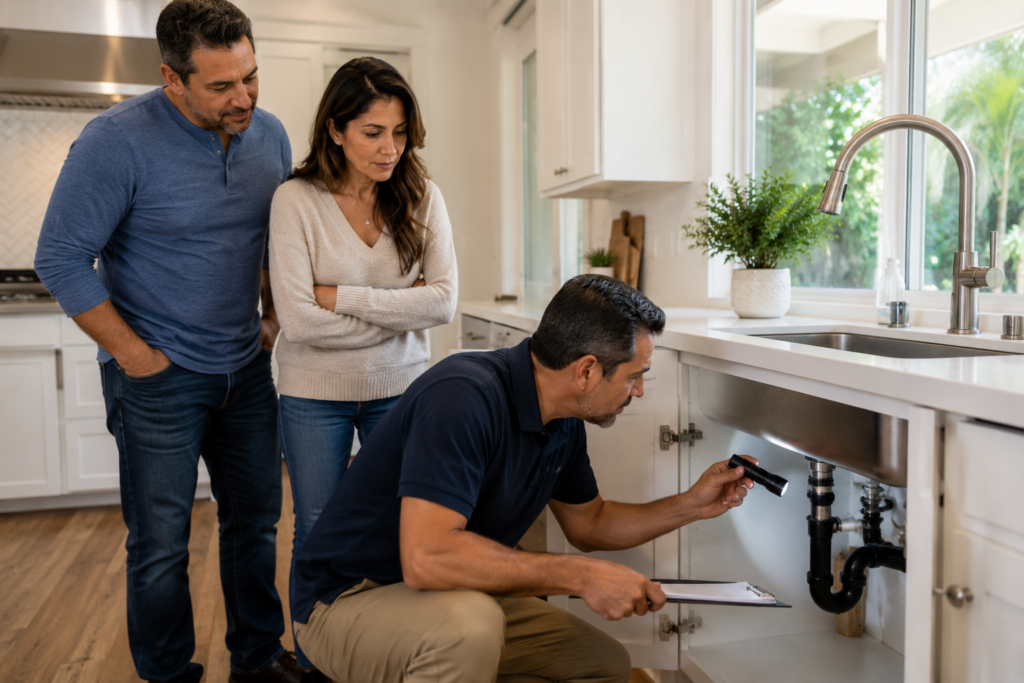
Inspections May Bring New Questions
If the buyer has an investigation or inspection contingency, the period after acceptance may include inspections of the property.
A general home inspection is common, but depending on the property and the buyer’s concerns, additional inspections may also be requested.
An inspection does not necessarily mean something is wrong with the house. Buyers use inspections to learn more about the property they are purchasing.
The results, however, can lead to additional conversations.
A buyer may accept the property as it is, request repairs, ask for a credit, seek a price adjustment, request additional information, or exercise rights available under the contract.
A request from a buyer does not automatically mean a seller must agree to it. The response will depend on the purchase agreement, the circumstances, and what the seller believes is appropriate.
The Appraisal Can Matter When the Buyer Is Financing
When a buyer is obtaining a mortgage, the lender may require an appraisal.
The appraiser provides an opinion of the property’s value for the lender. This is different from the home inspection, which focuses primarily on the property’s physical condition.
If the property appraises at or above the amount needed for the buyer’s financing, this part of the transaction may proceed without much discussion.
If the appraisal comes in lower than expected, the situation can become more complicated. What happens next depends on the contract, including whether the buyer has an appraisal contingency, as well as the buyer’s financing and the decisions made by the parties.
This is another example of why the strongest offer is not always determined by price alone.
The Buyer’s Loan Continues Through the Process
A buyer who has been preapproved for financing still has work to complete after the offer is accepted.
The lender may continue reviewing the buyer’s income, assets, credit, employment, property information, appraisal, and other documentation before giving final loan approval.
From a seller’s perspective, this is why the financial strength of an offer can be important when evaluating buyers.
A preapproval can provide useful information, but it is not the same as a guarantee that a loan will ultimately fund.
Contingencies and Deadlines Matter
Contingencies are an important part of many residential purchase agreements.
Depending on the contract, a buyer may have contingencies related to investigations, an appraisal, financing, or other matters. The specific rights and deadlines depend on the actual agreement.
Sellers should understand which contingencies are included in the accepted offer and the time periods associated with them.
As the transaction progresses, there may be points when the buyer is asked to remove certain contingencies in accordance with the contract.
Rather than focusing only on the anticipated closing date, I think sellers benefit from understanding the smaller contractual milestones that occur along the way.
What Happens If the Buyer Requests Repairs?
After inspections, sellers sometimes receive a request for repairs or other concessions.
This can make homeowners nervous, particularly if they believed the price had already been fully negotiated.
In reality, an inspection period can create another point of discussion between the parties.
The buyer may identify items that were not obvious when the offer was written. The seller then needs to evaluate the request and decide how to respond based on the contract and circumstances.
There is no universal answer to every repair request. The condition of the property, the nature of the issue, the strength of the transaction, other available options, and the seller’s priorities can all matter.
The goal should be to make a thoughtful decision rather than reacting emotionally to the request.
Preparing for the Final Days Before Closing
As the transaction moves toward closing, escrow and the professionals involved in the transaction coordinate the documents and requirements necessary to complete the sale.
The buyer may conduct a final verification of the property’s condition before closing, subject to the terms of the agreement.
Sellers should also make sure they understand when they are expected to move out, what condition the property should be left in, which items are included in the sale, and when possession will transfer.
These details are worth discussing well before the final day.
Closing and the Transfer of Ownership
In California, signing documents is an important step, but signing alone does not necessarily mean the sale has officially closed.
The transaction generally reaches closing when the required funds and documents have been handled and the deed transferring ownership is recorded with the county.
Once the transaction closes, the seller receives the proceeds due to them through escrow after applicable loans, costs, commissions, taxes, or other amounts associated with the transaction have been accounted for.
The exact timing and details depend on the individual transaction.
An Accepted Offer Is an Important Beginning
Selling a home involves much more than finding someone willing to buy it.
The period between accepting an offer and closing is where many of the details of the transaction are worked through. Inspections, financing, appraisal, contingencies, disclosures, escrow, and contractual deadlines can all play a role.
Knowing this before you list can also help you evaluate offers more thoughtfully when they arrive.
If you are considering selling a home in Pacific Palisades, Santa Monica, or elsewhere on the Westside of Los Angeles, I would be happy to walk you through the process from preparing the property and reviewing the MLS data to evaluating offers and understanding what happens after your home goes under contract.
My goal is for sellers to understand not only what they are signing, but what comes next.
With gratitude and a heart for service,
Claudia Backus, MBA
California Real Estate Broker | REALTOR®
Serving Pacific Palisades & the Westside of Los Angeles